Thinking about settling your family in a small, close-knit suburb with quick access to Chicago? Clarendon Hills offers a village feel, tree-lined streets, and a walkable downtown centered on the train. If you want a simple, honest look at schools, parks, commute times, community events, and the kinds of homes you’ll find, you’re in the right place. You’ll also learn practical steps to choose the right fit for your family. Let’s dive in.
Clarendon Hills at a glance
Clarendon Hills sits in DuPage County with a compact, residential layout and a small commercial core near the Metra station. You’ll find single-family neighborhoods, sidewalks, and a downtown that makes quick errands easy. Nearby suburbs like Hinsdale, Downers Grove, and Oak Brook add more retail and services within a short drive. Local government services and community event info come through the village, while parks and programming are managed by the Clarendon Hills Park District.
Commute and getting around
The Metra BNSF Line is a major draw for working parents. Typical express trains from Clarendon Hills to Chicago’s Union Station are commonly around 20 to 30 minutes. Always check current Metra schedules to confirm exact times and peak vs. off-peak options. If you plan to drive, local arterials connect to nearby interstates, and many families mix surface streets and highways based on destination and time of day.
Proximity to the station can save time during the week. If you will rely on parking, look into commuter permit details and availability early. For everyday errands, the central village area keeps staples close, and many neighborhoods are walkable to parks and the downtown block grid.
Parks and everyday play
The Clarendon Hills Park District runs neighborhood parks, playgrounds, athletic fields, and a range of youth sports and seasonal programs. Expect recreation leagues, summer camps, and community-center activities designed for kids and families. Park district program guides are posted seasonally, so review current offerings and registration dates if you plan your move around summer or after-school needs.
Outdoor time is easy to fit in. Sidewalks and short blocks near the village center make stroller walks and bike rides manageable. Visit at different times of day to see how families use the parks, where crosswalks are located, and how traffic moves near playgrounds and schools.
Schools and learning
Public elementary and middle schools are served by the local district commonly known as Clarendon Hills School District 181. High school services for many area addresses fall under Hinsdale Township High School District 86. Boundaries can vary by address, so always use the districts’ official boundary lookup tools to verify assignments.
To evaluate programs, look at official data from the Illinois State Board of Education’s Illinois Report Card and review district sites for curriculum, special education, enrichment, and extracurriculars. It also helps to attend school tours, talk with administrators, and speak with parents to understand daily routines and program highlights. If you’re considering private or parochial options, you’ll find choices in nearby suburbs; compare program focus, location, and commute time.
Childcare and after-school
Clarendon Hills and nearby towns offer daycare centers, private preschools, and Park District early-childhood programs. Demand can be strong, and waitlists do happen. If childcare is a top priority, contact providers early and confirm class ages, hours, and ratios.
For elementary-age kids, after-school care and camps are commonly available through the Park District and local schools. You may also find youth programming through community groups and local churches. Compare schedules and pickup logistics against your commute and work hours.
Downtown, dining, and services
Clarendon Hills has a small, walkable downtown clustered around the Metra station. You’ll find cafes, restaurants, and resident-focused services that make it simple to grab coffee, meet friends, or pick up daily essentials. For broader shopping, nearby Hinsdale and Oak Brook offer larger retail centers and specialty stores within an easy drive.
If a walk-to-downtown lifestyle is important, focus your search near the village center and confirm the exact distance to the train, parks, and schools. Visit at different times of day to get a feel for parking, foot traffic, and evening activity.
Healthcare access
Families in Clarendon Hills typically use pediatric and family-care clinics in nearby towns, plus regional hospitals in DuPage County. Urgent care facilities are also close by. When comparing homes, map your preferred providers, hospital routes, and average drive times during peak hours.
Community life and events
Clarendon Hills leans into village traditions and family-centered events. Two standouts many families remember are Daisy Days, a summer festival with community booths and kid-friendly activities, and Dancin’ In The Street, a summer concert series in or near downtown. The calendar often includes a tree lighting, summer concerts, farmers-market-style pop-ups, parades, and holiday gatherings. Dates and details change each year, so confirm current schedules through village and Park District channels.
Volunteerism is part of the local DNA. You’ll find opportunities through municipal boards and commissions, PTO and booster groups, service clubs, and historical or community organizations. This scale of engagement helps newcomers connect quickly, meet neighbors, and plug into causes that support youth programs and village life.
Homes, taxes, and budgets
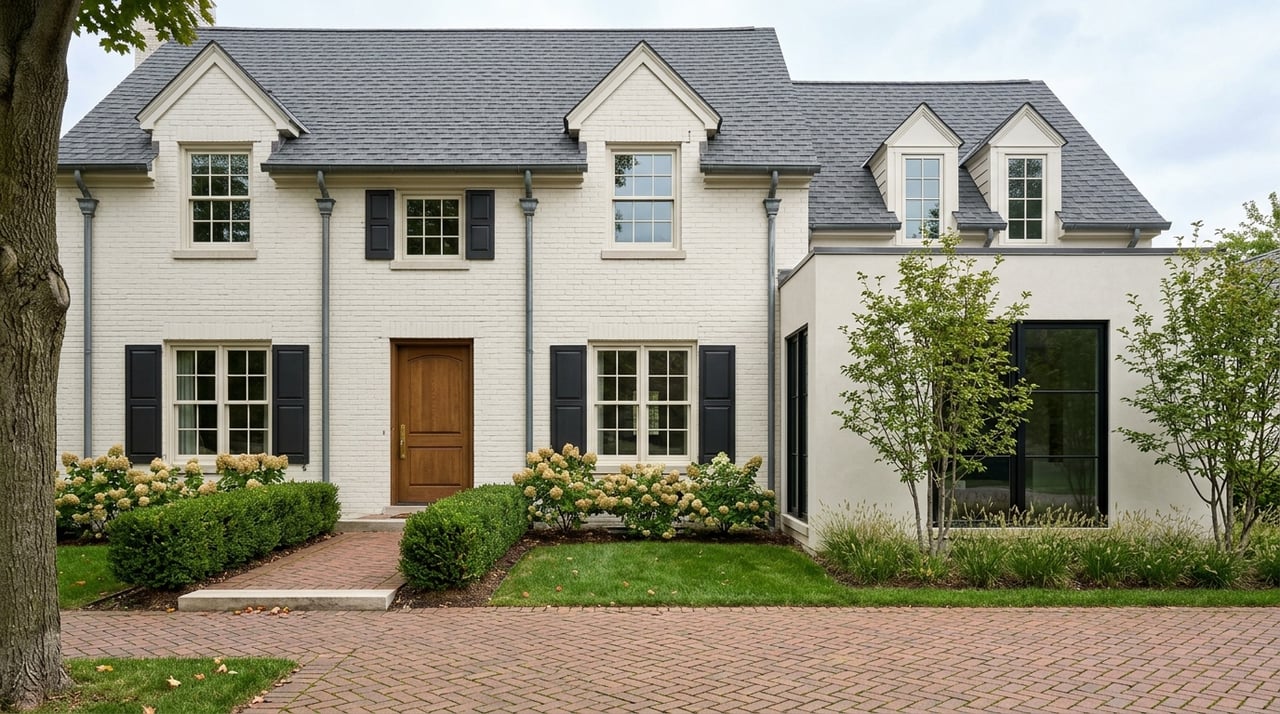
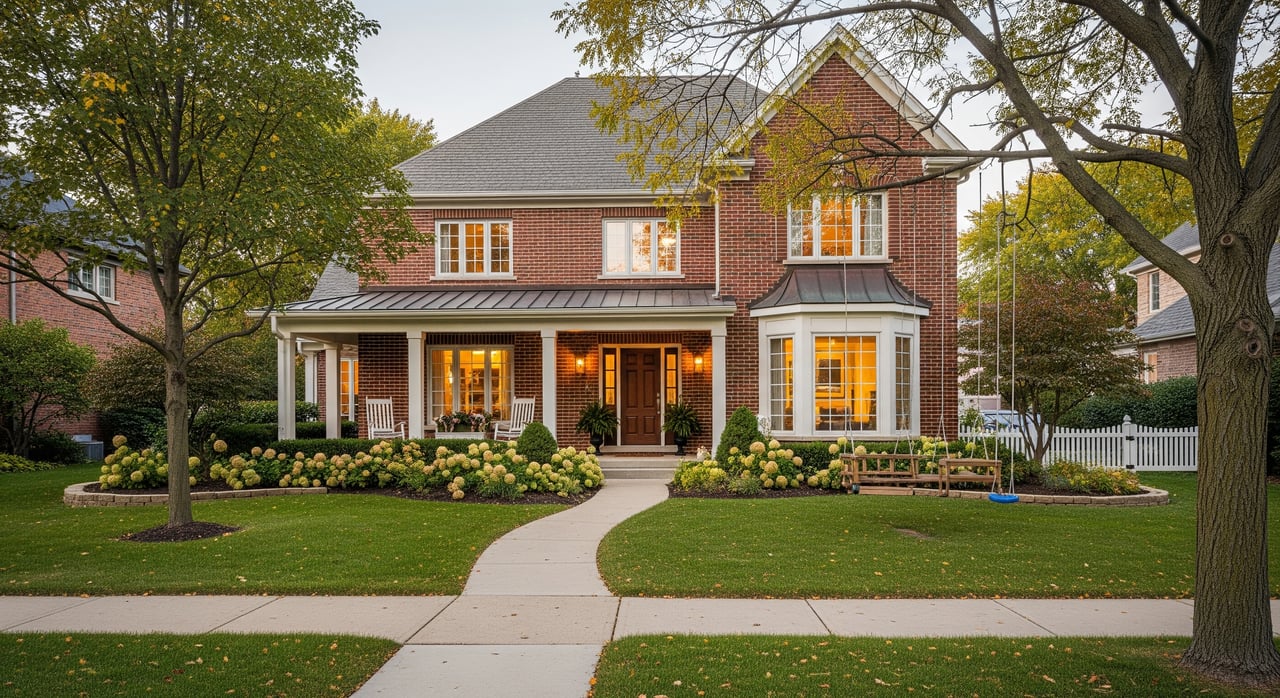
Most housing in Clarendon Hills is single-family, with a mix of established older homes and periodic newer construction through infill or teardowns. Lot sizes are village-scale, not large-acre estates. When comparing homes, pay attention to yard size, bedroom count, storage in the basement or attic, and the feasibility of future additions.
Property taxes in DuPage County help fund schools and municipal services and can be a significant ongoing expense. Always review the recent tax history for any specific property and factor it into your long-term budget. Homeowner association fees are uncommon for most village single-family homes, but confirm for any subdivision or condo.
If resale matters to you, focus on fundamentals that support buyer demand: proximity to schools and parks, walkability to downtown and the Metra station, and functional family layouts. When you get serious about a property, compare recent neighborhood sales and typical days on market to set realistic expectations.
Choosing the right fit
Use this quick checklist as you narrow your options:
- Commute: Confirm Metra timing, parking needs, and your door-to-door routine.
- School boundaries: Verify assignments with district tools and review official performance data.
- Walkability: Test the route to parks, downtown, and the station with a stroller.
- Daily logistics: Observe school drop-off and pickup traffic on weekdays.
- Space needs: Count bedrooms, storage, and potential to expand within zoning.
- Childcare: Call daycares and preschools early to understand availability and waitlists.
- Community: Visit an event like Daisy Days or a summer concert to get a feel for the vibe.
- Budget: Factor property taxes and any planned upgrades into your total cost.
Value-add or move-in ready?
Every family has a different comfort level with projects. If you want turnkey, focus on well-maintained or recently renovated homes near your preferred amenities. If you are open to value-add, you may find older homes with solid bones where targeted updates can improve function and future resale.
As a renovation-focused local broker, Johnny helps you weigh these trade-offs with clear, practical guidance. Buyers get support evaluating scopes and costs before making an offer. Sellers get hands-on listing preparation and project coordination, including targeted improvements and staging that are designed to improve market appeal and potential sale price. The approach keeps stress low and outcomes measurable.
Work with a local advisor
Clarendon Hills offers an easy rhythm of daily life, strong community involvement, and quick access to the city. If you want a calm, experienced guide who understands the village and the DuPage corridor, you’ll feel the difference working with a renovation-minded partner who handles details end to end. Connect with Johnny Kloster to plan your move or map a value-add strategy that fits your family.
FAQs
How long is the Clarendon Hills to Chicago train commute?
- Typical express trains on the Metra BNSF Line commonly take about 20 to 30 minutes, but you should check current schedules for exact times and frequency.
Which public schools serve Clarendon Hills homes?
- Elementary and middle schools are served by Clarendon Hills School District 181, and many high school addresses are in Hinsdale Township High School District 86; verify assignments by address with district boundary tools.
Are there parks and summer programs for kids in Clarendon Hills?
- Yes, the Clarendon Hills Park District runs playgrounds, youth sports, recreation programs, and summer camps; review the seasonal program guide for current offerings and registration dates.
Is downtown Clarendon Hills walkable for families with strollers?
- Many blocks near the village center are walkable with sidewalks and curb cuts, but you should test your preferred routes to confirm continuous sidewalks and crossings.
What home types and lot sizes are common in Clarendon Hills?
- The village is mostly single-family homes on village-scale lots, with a mix of older houses and newer infill construction; evaluate yard size, storage, and room to expand based on your needs.
How should I plan for property taxes in DuPage County?
- Property taxes can be a significant ongoing cost, so review recent tax history for any property and include it in your long-term budget along with insurance and utilities.
Is healthcare nearby for families living in Clarendon Hills?
- Families typically use pediatric and family-care clinics in nearby towns and regional hospitals in DuPage County; map your preferred providers and check drive times during peak hours.
What community events should new residents know about?
- Signature events often include Daisy Days and Dancin’ In The Street, plus seasonal concerts, a tree lighting, and holiday activities; confirm current dates on the village and Park District calendars.