Looking at luxury homes in Hinsdale can feel like choosing between two very different kinds of value. On one side, you have historic properties with original character, layered details, and a strong connection to the village’s past. On the other, you have newer luxury homes built for modern living, with open layouts, high ceilings, and easier day-to-day function. If you are trying to decide which path fits your goals, this guide will help you understand what sets each option apart in Hinsdale and what to watch before you buy or sell. Let’s dive in.
Why Hinsdale Offers Both Old and New
Hinsdale stands out because it is not a market defined by just one housing type. Village design guidelines note that the community was platted in the mid-19th century, and about 30% of the housing stock has been replaced through redevelopment. That mix helps explain why you can find preserved older homes and newer luxury construction on the same streets.
The village also includes two National Register historic districts: Downtown Hinsdale and Robbins Park. At the same time, most blocks still retain their original setbacks, lot patterns, and overall streetscape character. For buyers, that means you are not just comparing square footage or finishes. You are often comparing two different living experiences within the same highly sought-after market.
Hinsdale also operates in a premium price tier. Recent market data reported a median sale price of about $1.7 million and a typical market time of around 49 days. That supports what many buyers and sellers already sense: both historic and newer luxury homes can attract strong interest here.
Historic Luxury Homes in Hinsdale
Architectural styles you will see
One of the biggest draws of historic Hinsdale homes is visual variety. Village guidelines identify styles including Queen Anne, Shingle, Colonial Revival, Prairie, Tudor Revival, French Eclectic, Craftsman, Italianate, Gothic Revival, Dutch Colonial Revival, Cape Cod, Ranch, and Split Level.
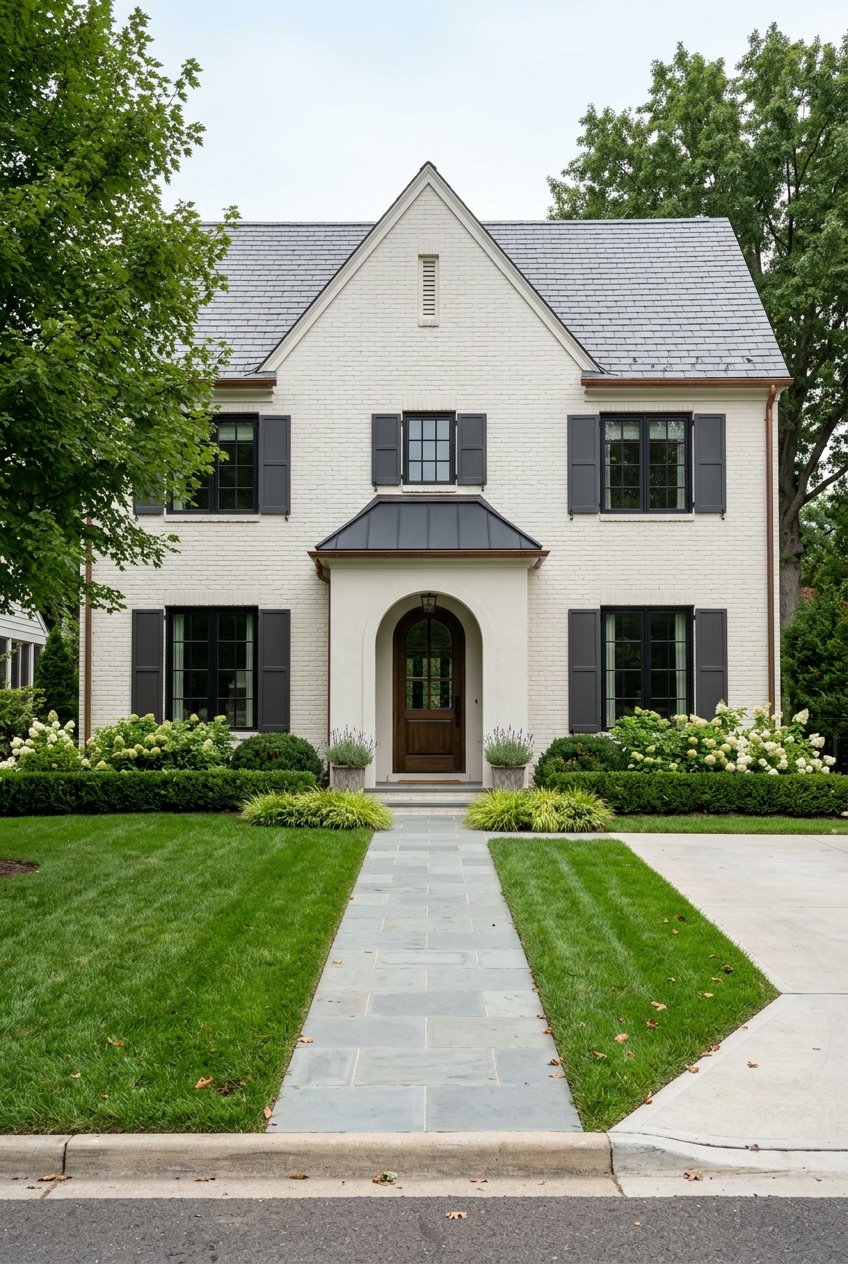
In practical terms, that means older homes in Hinsdale rarely feel cookie-cutter. A Queen Anne home may feature an asymmetrical shape, mixed materials, bays, turrets, or a wraparound porch. A Prairie home often shows low rooflines, wide eaves, and strong horizontal lines, while Tudor Revival homes usually bring steep gables, brick or stucco, and half-timbering.
Streetscape and lot feel
Historic areas in Hinsdale often feel carefully shaped by the street, not just by the home itself. The village guidelines note that many traditional blocks have consistent setbacks, front yards, lot widths, and spacing between houses. Mature trees are also a major part of that character.
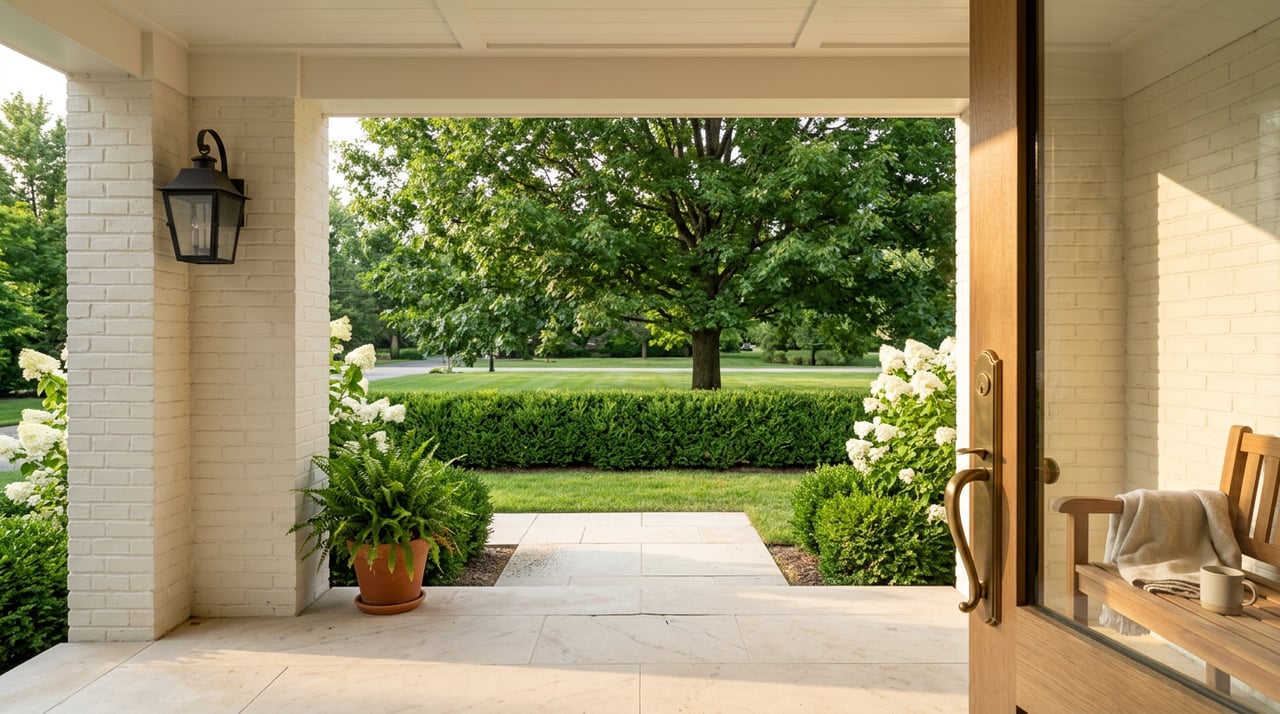
This can create a more established and landscape-oriented feel. Many older homes present front porches, visible entries, and façades that engage the street. Compared with some garage-forward suburban layouts, these blocks often read as more pedestrian-facing and visually layered.
Interior character and layout
Inside, historic homes in Hinsdale often appeal to buyers who value craftsmanship and original detail. Recent listings have highlighted leaded or stained glass, original wood trim, millwork, fireplaces, built-ins, foyers, porches, and formal living and dining rooms.
That usually translates to a home with more room definition and more architectural texture. Instead of one large open living area, you may find separate spaces with distinct purposes. For some buyers, that feels elegant and warm. For others, it can feel less flexible than newer construction.
New Luxury Homes in Hinsdale
Exterior design and block compatibility
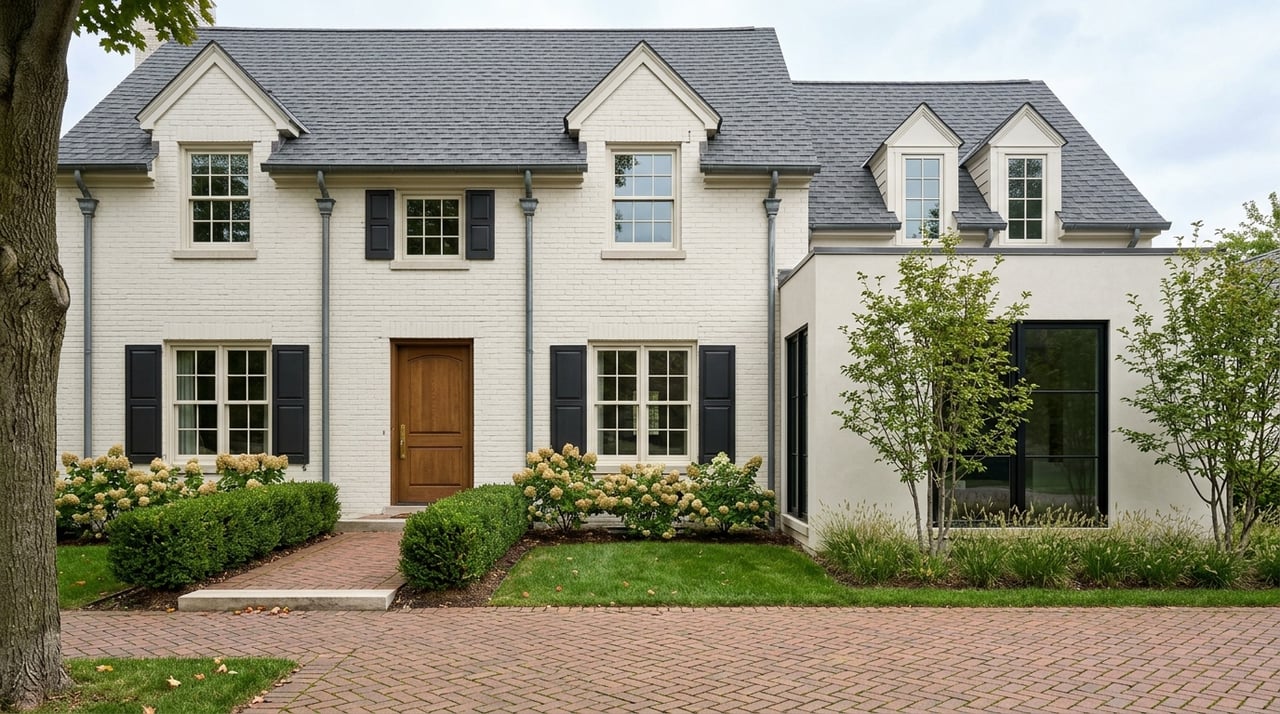
New construction in Hinsdale does not always look sharply modern from the street. Recent listings include Belgian farmhouse-inspired homes, modern French chateau designs, and craftsman-influenced builds. The exterior style is often traditional or transitional, even when the floor plan is brand new.
Village guidelines also set expectations for how new homes should fit into existing blocks. New construction should respect setbacks, surrounding lot dimensions, and the landscape, while preserving mature trees where possible. In other words, the goal is not just to build large. The goal is to create a home that feels substantial while still fitting the rhythm of the street.
Interior features buyers expect now
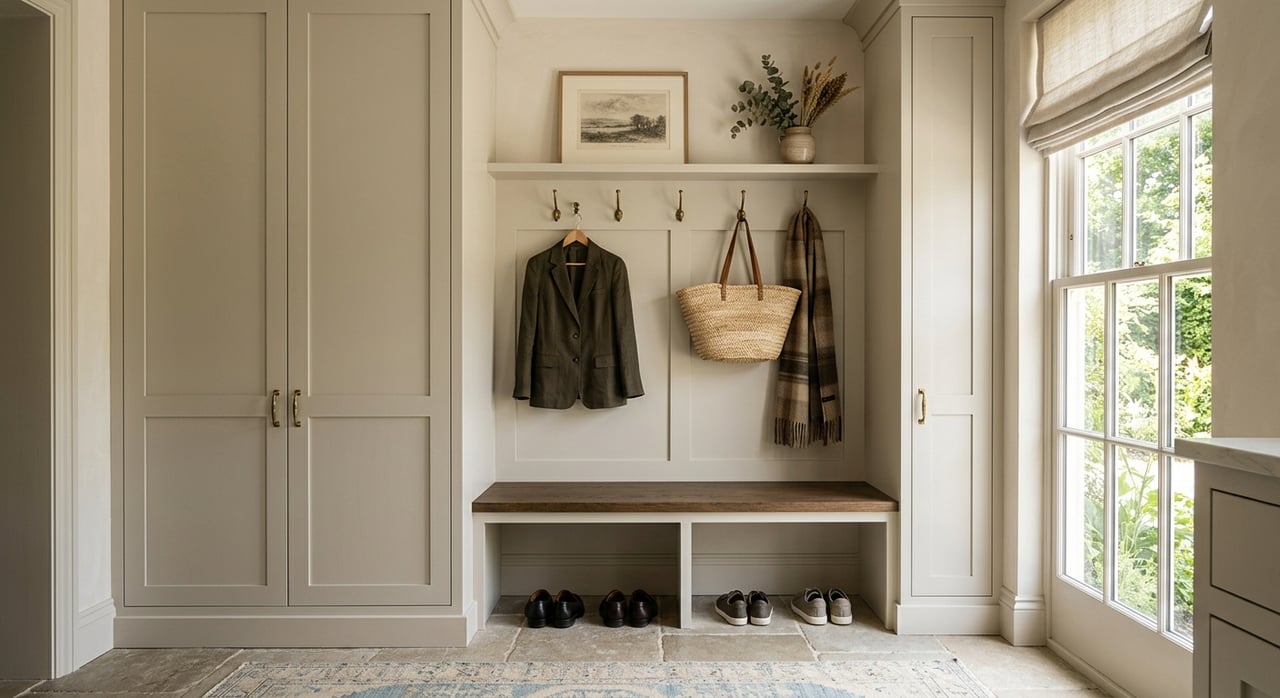
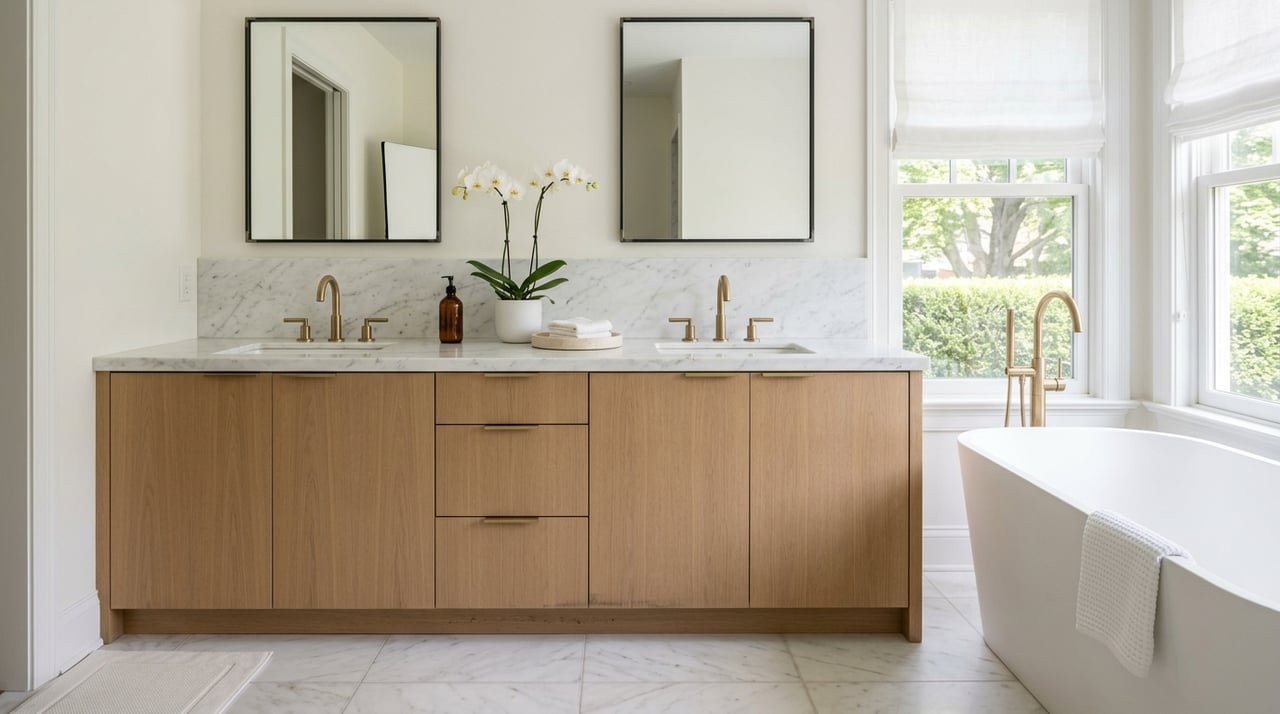
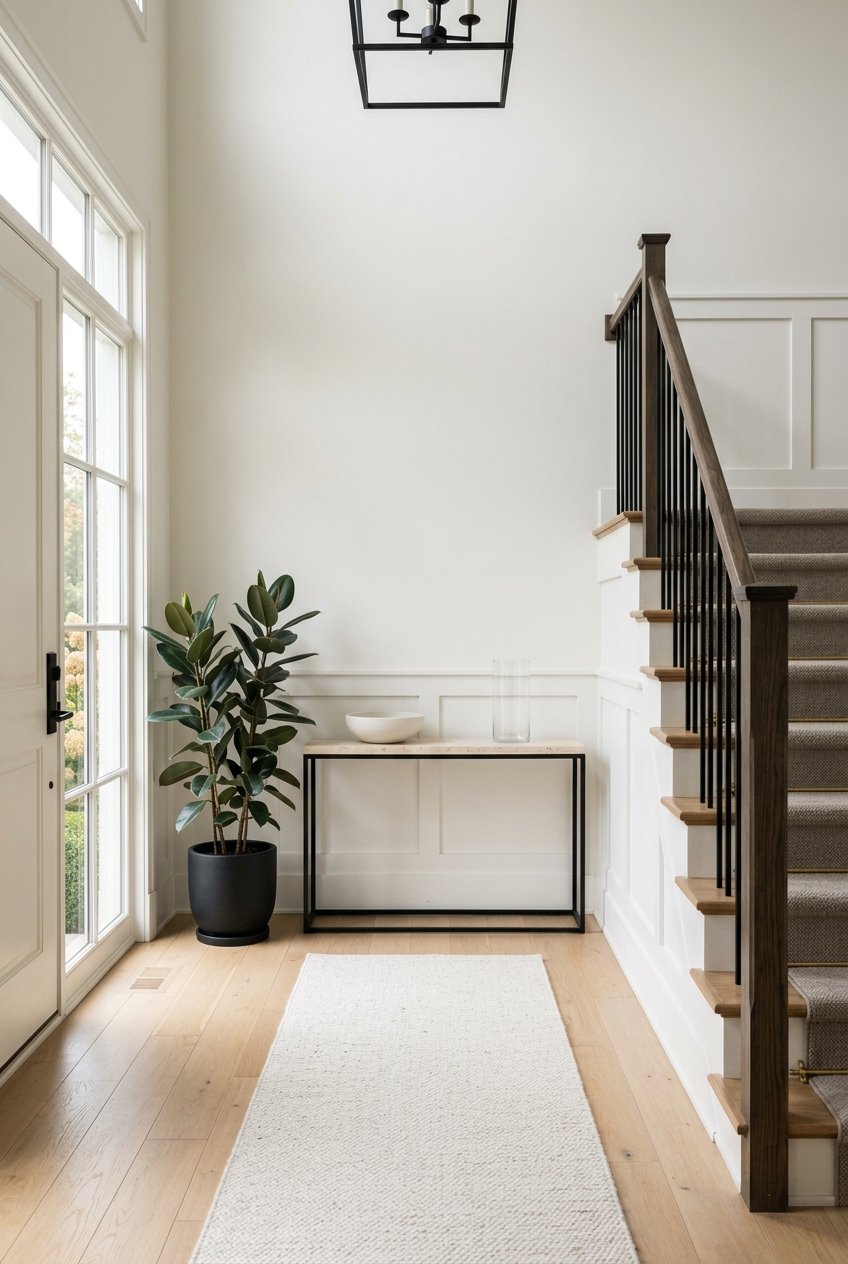
If historic homes often win on detail, new homes usually win on function. Recent new-construction listings in Hinsdale commonly feature open floor plans, 10- to 12-foot ceilings, large windows, chef’s kitchens with oversized islands, sculleries or prep kitchens, spa-like baths, wet rooms, mudrooms, laundry rooms, and custom millwork.
Many also offer features that support how people live today, such as first-floor bedrooms, dedicated office space, and stronger storage planning. In simple terms, new luxury homes in Hinsdale often prioritize flow, light, convenience, and entertaining space. If you want a home that feels turnkey from day one, that can be a major advantage.
Historic vs New: The Lifestyle Tradeoff
How daily living can differ
The biggest difference is often not style. It is how the house supports your routine. Historic homes tend to feel more formal and room-by-room, while new homes are usually designed around open gathering spaces and easier circulation.
That does not make one better than the other. It simply means your ideal choice depends on how you live. If you love original materials, distinct rooms, and a sense of history, an older home may feel more personal. If you prefer seamless flow, large entertaining spaces, and first-floor convenience, new construction may fit better.
What buyers often compare
When buyers weigh these two categories in Hinsdale, they are usually comparing a few core tradeoffs:
- Character vs. convenience
- Original details vs. open layout
- Established setting vs. turnkey condition
- Preserved charm vs. lower near-term renovation needs
Because both product types perform well in Hinsdale, the decision is often less about market legitimacy and more about fit. The right choice is the one that aligns with your priorities, your timeline, and your comfort level with updates or upkeep.
What to Know About Historic Rules and Approvals
Historic homes are not standard remodel projects
If you are considering a historic property in Hinsdale, it is important to understand that exterior changes may involve additional review. The village zoning code states that exterior appearance review exists to protect architectural heritage and property values. In the historic districts, certificates of appropriateness are required for new single-family homes and demolitions.
The village also has a Historic Overlay District and a Historic Preservation Fund. Eligible properties may seek preservation incentives, including grants or matching funds for façade repair, maintenance, or improvements. New work on listed historic properties must be compatible with the property’s massing, scale, and architectural features.
What is usually exempt
Not every project triggers the same process. The village materials note that routine maintenance and interior improvements are exempt from the incentive-certificate process. That distinction matters if you love the idea of a historic home but want to focus your investment indoors.
This is where local guidance and careful planning become especially valuable. If you are buying for potential or preparing a historic home for sale, understanding what is simple, what needs review, and what improvements support value can save time and reduce stress.
Resale Value: What Buyers and Sellers Should Consider
How historic homes compete
Historic homes in Hinsdale often stand out on authenticity, original materials, architectural identity, and location within established neighborhoods. Buyers drawn to these homes are often responding to details that cannot be easily replicated, such as stained glass, mature streetscapes, older craftsmanship, and period style.
For sellers, that means presentation matters. The goal is often to preserve and highlight what makes the home distinctive, while making sure the condition and layout feel workable for today’s buyer.
How new homes compete
Newer luxury homes usually compete on turnkey condition, modern design, and lower near-term renovation needs. Buyers may place a premium on move-in-ready finishes, better storage, larger kitchens, and a layout that supports current lifestyle patterns.
For sellers of newer homes, the value story is often about ease. If a buyer can move in without planning immediate updates, that can widen appeal in a market where time and convenience matter.
How to Choose the Right Fit in Hinsdale
Choose historic if you value character
A historic Hinsdale home may be the right fit if you are looking for:
- Distinct architecture and original design details
- Formal rooms and traditional layout
- Established blocks with mature trees and classic streetscape character
- A property with personality that stands apart from newer construction
Historic homes can be deeply rewarding, especially if you appreciate craftsmanship and understand that updates may require more planning.
Choose new if you value function
A newer luxury home may be the better fit if you want:
- Open living spaces and stronger day-to-day flow
- High ceilings, large windows, and modern light-filled interiors
- Better storage, mudroom, laundry, and entertaining features
- A turnkey home with fewer immediate projects
For many buyers, that combination of comfort and convenience is worth the premium attached to newer construction.
Why local guidance matters
In Hinsdale, the difference between a smart purchase and a frustrating one often comes down to understanding the details behind the listing photos. A historic home may have major upside if you understand what can be improved and what should be preserved. A newer home may look turnkey, but value still depends on design quality, lot fit, and how well it aligns with the block.
That is why local context matters so much in this market. When you know how Hinsdale’s historic character, redevelopment patterns, and buyer expectations intersect, you can make a more confident decision whether you are buying, selling, or preparing a home for market.
If you are weighing the pros and cons of a historic or new luxury home in Hinsdale, working with someone who understands both resale strategy and renovation planning can make the process much clearer. To talk through your options, connect with Johnny Kloster.
FAQs
What makes historic luxury homes in Hinsdale different from new homes?
- Historic luxury homes in Hinsdale often offer original architectural details, more defined rooms, and established streetscape character, while new homes typically focus on open layouts, modern function, and turnkey condition.
What architectural styles are common in historic Hinsdale homes?
- Village guidelines identify styles such as Queen Anne, Prairie, Tudor Revival, Colonial Revival, Craftsman, French Eclectic, Italianate, Gothic Revival, Dutch Colonial Revival, Cape Cod, Ranch, and Split Level.
What features are common in new luxury homes in Hinsdale?
- Recent new homes commonly include open floor plans, 10- to 12-foot ceilings, large windows, oversized kitchen islands, prep kitchens, spa-like baths, mudrooms, laundry rooms, and custom millwork.
What should buyers know about remodeling historic homes in Hinsdale?
- Hinsdale’s zoning and preservation rules may require exterior review for certain work in historic areas, while routine maintenance and interior improvements are generally exempt from the incentive-certificate process.
What helps historic homes hold value in Hinsdale?
- Historic homes often compete on authenticity, original materials, architectural identity, and their setting within established neighborhoods with mature trees and consistent streetscape patterns.
What helps new luxury homes hold value in Hinsdale?
- New luxury homes often compete on turnkey condition, modern floor plans, updated finishes, and lower near-term renovation needs, which can appeal to buyers looking for convenience and functionality.