Choosing between a historic home and new construction in Western Springs is not just about style. It is about how you want to live, what kind of projects you are comfortable taking on, and how much value you place on charm versus convenience. If you are weighing both options, this guide will help you compare the tradeoffs clearly so you can move forward with confidence. Let’s dive in.
Western Springs housing context
Western Springs is a compact commuter suburb about 18 miles west of Chicago, with a downtown centered around the Metra BNSF station, according to the Village of Western Springs. That location and commuter access are a big part of the village’s appeal if you want a suburban setting with a direct connection to the city.
The housing profile also helps explain why buyers look carefully at long-term fit here. Census QuickFacts cited by the village show a 2024 population estimate of 13,529, a 95.6% owner-occupied rate, a median owner-occupied home value of $739,400, and a mean travel time to work of 31 minutes. The same source notes 3.0 persons per household and 32.4% of residents under 18.
One important local detail is that Western Springs is largely built out. The village’s comprehensive plan says there are limited parcels for large development, though some infill sites remain, and it also notes that Western Springs does not currently have designated historic districts or historic preservation ordinances. In practical terms, that means your decision is usually less about formal preservation rules and more about condition, architecture, renovation strategy, and resale appeal.
What counts as historic here?
In Western Springs, “historic” usually means older homes tied to the village’s earlier development eras rather than homes inside a formal historic district. The Western Springs Historical Society describes nine distinct neighborhoods, including older areas such as Old Town, Fairview Estates, Field Park & Ridge Acres, and Forest Hills.
Those earlier homes often bring the character many buyers want. You may find mature streetscapes, traditional architecture, and room-by-room layouts that reflect how homes were designed in earlier decades. By contrast, the Historical Society describes Timber Trails as the newest and likely last neighborhood addition, with a mix of single-family homes and townhomes.
That age difference often shapes how a home feels day to day. Older homes may offer charm, detail, and established surroundings, while newer homes more often align with current preferences for open layouts, larger kitchens, and more integrated living spaces.
Why buyers love older homes
Older Western Springs homes tend to stand out for personality. Architectural detail, established landscaping, and a sense of continuity with the neighborhood can be hard to replicate in a brand-new build. If you want a home that feels distinctive from the moment you pull up, an older property may check that box.
There is also local evidence that buyers and homeowners value that character. The Western Springs Historical Society’s Preservation Awards recognize exterior rehabilitation, compatible additions, and even newer buildings that enhance neighborhood character. That tells you something important about the local market: design choices that respect the surrounding streetscape matter here.
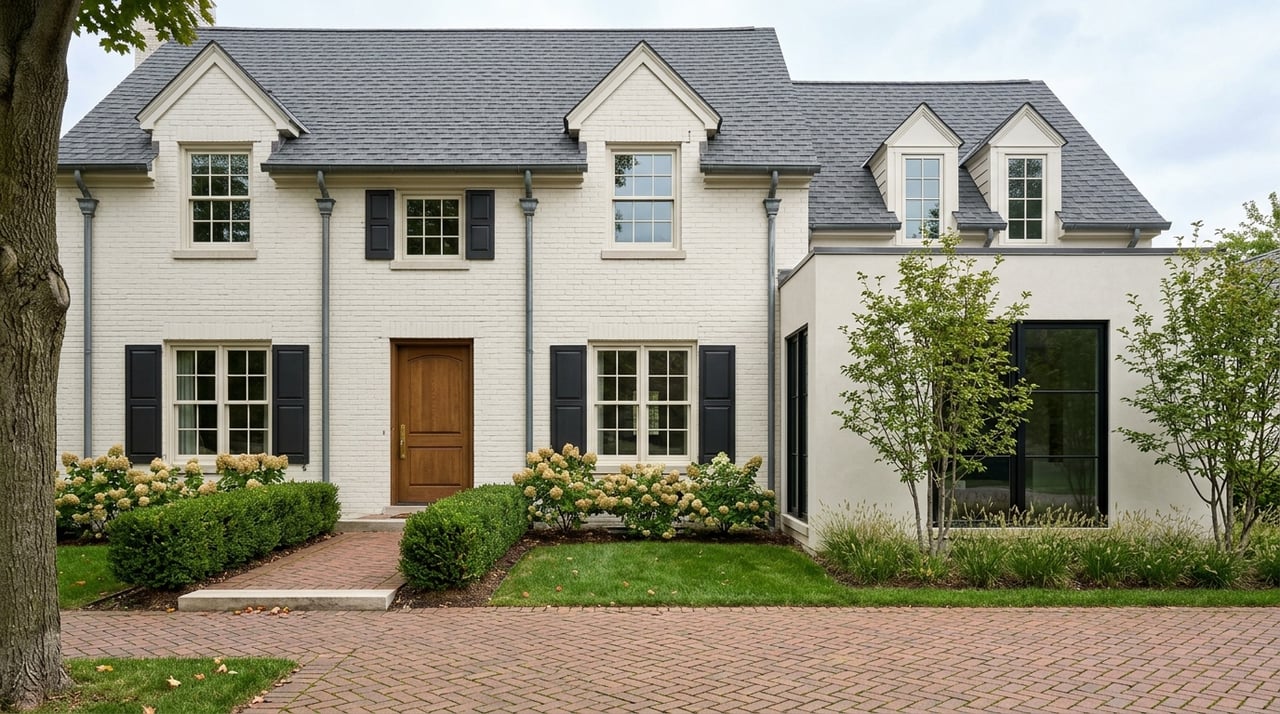
For many buyers, that opens up a smart middle path. You do not have to choose between untouched vintage condition and a full teardown. In many cases, the best older homes are the ones where the exterior character remains intact while the interior systems, layout, and finishes have been updated thoughtfully.
What to watch in older homes
Charm is real, but so is maintenance. If you are considering an older home in Western Springs, due diligence should go well beyond paint colors and staging. You want a clear understanding of the home’s plumbing, electrical systems, windows, insulation, roof condition, and prior renovation work.
Lead safety is another key issue. The EPA’s guidance on renovation, repair, and painting in pre-1978 homes explains that this work can create dangerous lead dust. If you are buying an older home and planning updates, lead-safe renovation practices should be part of your budgeting and contractor conversations from the start.
Water service lines also deserve attention. Western Springs offers a lead service line replacement cost-share program for qualifying detached single-family homes with lead service lines, with reimbursement up to $5,000. That is a useful local program, but it is still important to identify the service line material during your inspection period and understand potential replacement timing and cost.
Why new construction appeals
If your priority is convenience, new construction can be very attractive. Newer homes generally start closer to today’s expectations for layout, efficiency, storage, ceiling height, and systems performance. That can mean fewer immediate projects and more predictability in your first few years of ownership.
Energy performance is a major factor. ENERGY STAR notes that certified new homes are built to strict efficiency requirements and can provide better comfort, durability, and lower utility and maintenance costs. While not every new home is ENERGY STAR certified, the broader point still matters: newer construction typically begins closer to modern efficiency standards than an older home.
That can translate into a smoother ownership experience. If you want more open living areas, newer mechanical systems, and less renovation planning, a new or recently built home may feel like the simpler choice.
What new construction looks like in Western Springs
New construction in Western Springs is not usually about huge new subdivisions. It is more often infill, custom rebuilding, or replacement housing in an already established community. That distinction matters because the local new-construction experience is shaped by limited land supply.
The village’s 2024 financial report offers a useful snapshot. It reported 12 teardowns in 2024 and 19 new homes built in the Timber Trails subdivision. The same report says permit activity tied to teardowns, additions, and Timber Trails was 25% higher than in 2023.
The village also states that it is largely built out, which helps explain why so much new inventory comes from teardown and rebuild activity rather than large-scale development. If you are shopping for newer product in Western Springs, you are often comparing custom infill homes, rebuilt homes on existing lots, or opportunities in Timber Trails.
The hidden tradeoff: old home plus renovation
For many buyers, the real question is not historic versus new construction. It is whether an older home with the right updates can give you the best of both. In Western Springs, that is often a very practical strategy.
The Department of Energy’s Home Performance with ENERGY STAR approach, referenced through ENERGY STAR resources, supports whole-house upgrades for older homes built before modern efficiency standards. That means an older home can improve meaningfully with targeted work such as insulation, air sealing, HVAC upgrades, and window or envelope improvements, depending on the property.
At the same time, local preservation patterns suggest buyers appreciate renovations that protect curb appeal and neighborhood fit. The strongest outcome is often a home that keeps its exterior identity while improving the spaces and systems you use every day. If you are comfortable taking on a project, that can be where real upside lives.
How to decide which is better for you
There is no one-size-fits-all answer, but there are a few practical filters that can make your decision easier.
Choose an older home if
- You value architectural character and established surroundings
- You are comfortable budgeting for repairs or phased improvements
- You like the idea of customizing a home over time
- You are willing to do deeper inspection work before closing
Choose new construction if
- You want a more turnkey ownership experience
- You prefer open layouts and newer systems from day one
- You want fewer immediate maintenance surprises
- You prioritize energy efficiency and lower near-term upkeep
Consider a renovated older home if
- You want character without taking on a full project
- You value thoughtful updates more than brand-new everything
- You want a home that blends curb appeal with modern function
- You want clearer visibility into likely costs after closing
Think beyond age alone
In Western Springs, age by itself does not tell you enough. Condition, renovation quality, lot utility, and how well the home matches your lifestyle matter more than a simple old-versus-new label.
That is especially true in a market with strong owner occupancy and long-term appeal. The village’s 2024 financial report says over 97.4% of homes are single-family owner-occupied and notes a 20% increase in median sale price since 2019. Those numbers suggest buyers are still rewarding well-positioned homes, whether they are renovated classics or thoughtfully built newer properties.
The smartest move is to underwrite the real cost of ownership. For an older home, that means understanding deferred maintenance, safety considerations, and upgrade potential. For newer construction, it means evaluating build quality, layout, lot fit, and long-term resale appeal within the neighborhood.
If you are weighing a character home against a newer build in Western Springs, the right decision usually comes down to the details. A well-bought older home with a smart renovation plan can be a great fit, and a well-built newer home can deliver simplicity and comfort from day one. If you want a practical, renovation-aware perspective as you compare options, Johnny Kloster can help you evaluate the tradeoffs and build a plan that fits your goals.
FAQs
Is Western Springs mostly built out for new construction?
- Yes. The village says Western Springs is largely built out, with limited parcels for large development and some infill sites remaining.
Are there historic districts in Western Springs?
- No. The village states that Western Springs does not currently have designated historic districts or historic preservation ordinances.
What neighborhoods in Western Springs have older homes?
- The Western Springs Historical Society identifies older areas such as Old Town, Fairview Estates, Field Park & Ridge Acres, and Forest Hills.
Is new construction common in Western Springs?
- It exists, but it is often infill or rebuild activity. The village reported 12 teardowns in 2024 and 19 new homes built in Timber Trails.
What should buyers check in older Western Springs homes?
- Focus on plumbing, electrical, roof, windows, insulation, prior renovation quality, and any lead-related concerns, especially in pre-1978 homes.
Can an older Western Springs home be modernized efficiently?
- Yes. Older homes can improve through targeted whole-house upgrades, and many buyers aim to preserve exterior character while updating systems and interiors.