Thinking about listing your Clarendon Hills home and wondering which fixes will actually pay you back? You’re not alone. With the right prep plan, you can stretch every dollar, shorten time on market, and present a home buyers feel confident about. This guide gives you a prioritized checklist, realistic cost ranges, ROI benchmarks, permit and disclosure notes, and a simple timeline so you can launch with clarity. Let’s dive in.
Clarendon Hills buyer lens
Clarendon Hills attracts buyers who value commuter access, neighborhood character, and move-in-ready presentation. The Metra BNSF line is a key selling point, and well-cared-for homes often draw stronger interest. Local expectations tend to favor updated kitchens and baths, quality flooring, and tidy landscaping.
Seasonality matters. Spring usually brings the most buyer traffic. Summer can work well if the exterior shines. Late fall and winter can mean fewer buyers and longer days on market. Your pricing and prep should reflect current local comps and timelines.
Your listing prep checklist with ROI
The best results come from prioritizing visible, high-impact work first, then tackling bigger projects only when they align with neighborhood standards and your price tier.
Priority 1: High impact, low cost
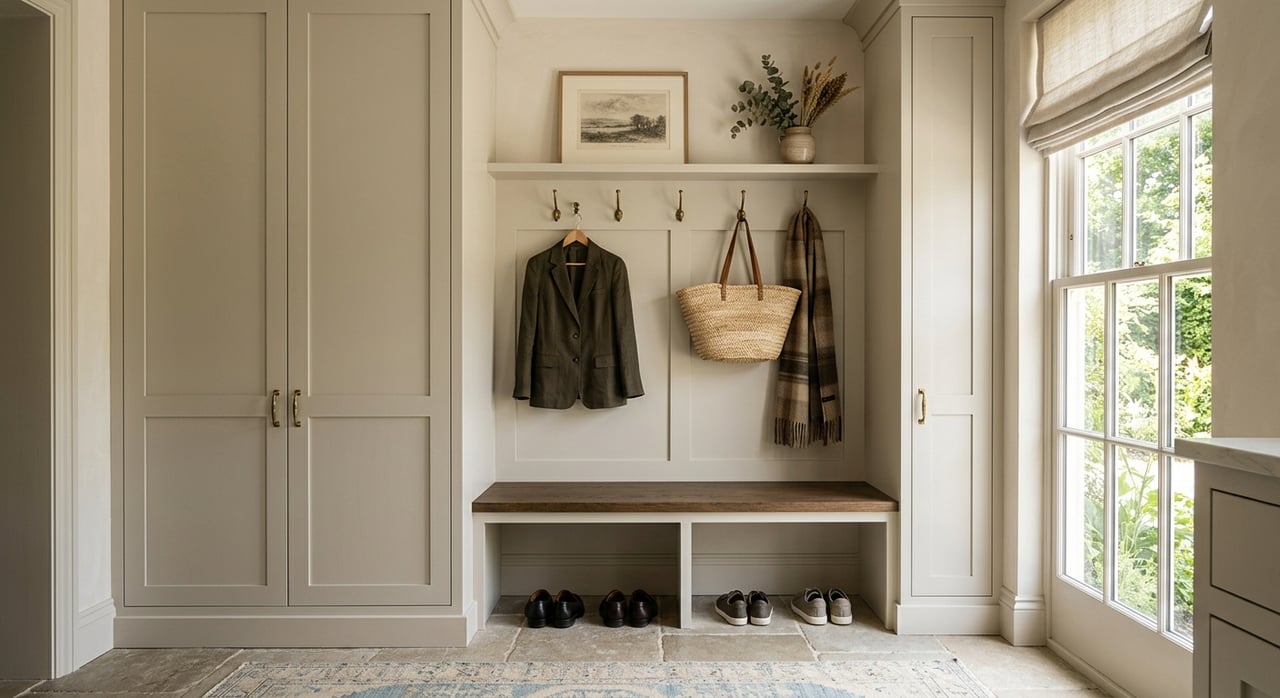
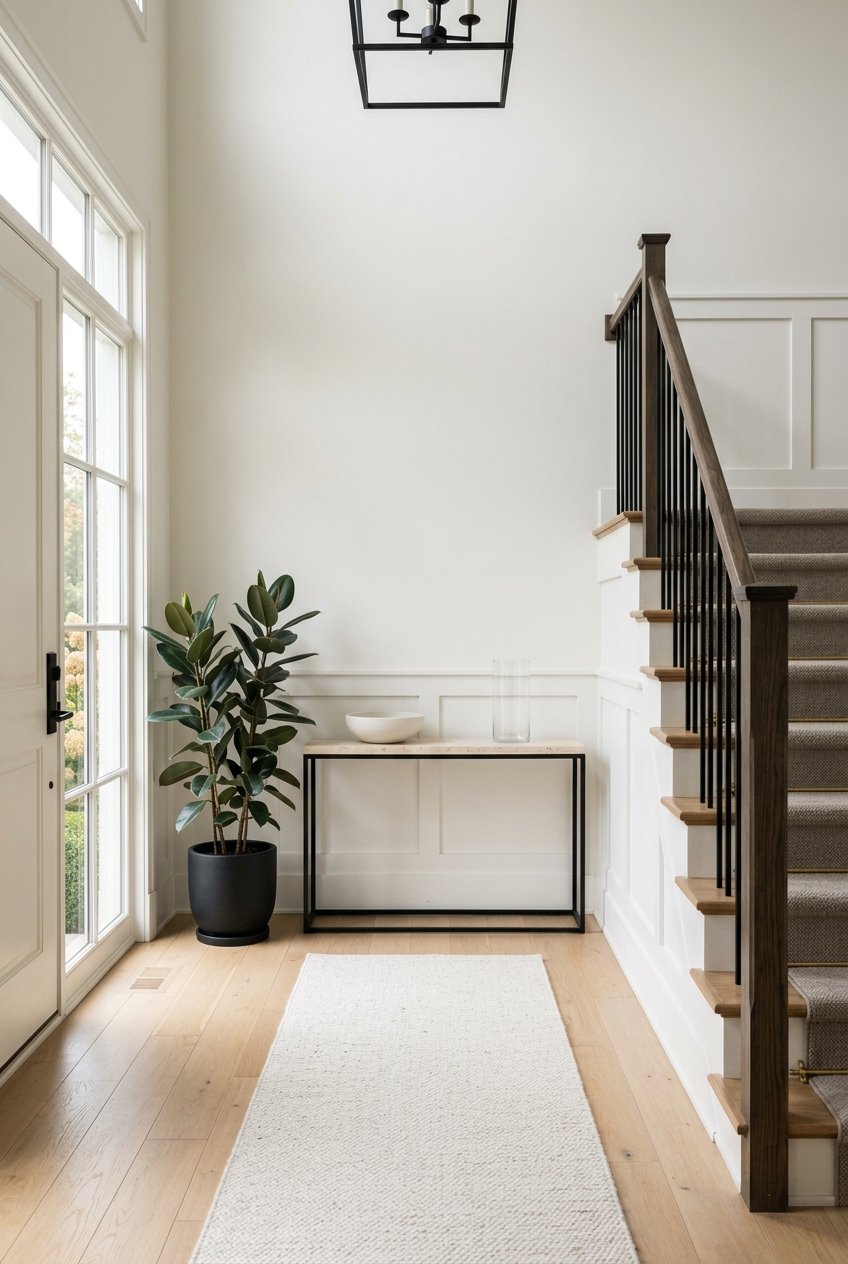
Deep clean, declutter, depersonalize
- What to do: Professional deep clean, windows, grout, appliance fronts, and baseboards. Remove excess furniture and personal photos. Clear counters.
- Cost: Typically 200 to 600 dollars for professional cleaning. Decluttering help varies.
- ROI: Very high. This often pays for itself quickly by improving photos, showings, and buyer perception.
Neutral interior paint
- What to do: Repaint high-traffic areas and trim in light, neutral tones.
- Cost: About 1,000 to 4,000 dollars depending on size and rooms.
- ROI: Consistently strong. Fresh paint can reduce days on market and support firmer pricing.
Small repairs and systems check
- What to do: Fix leaky faucets, replace burned-out bulbs, adjust doors and latches, patch drywall, re-caulk, replace cracked tiles, and swap tired hardware. Change HVAC filters.
- Cost: Often under 500 to 2,000 dollars.
- ROI: High. Removing easy buyer objections protects your price during showings and inspection.
Curb appeal tune-up
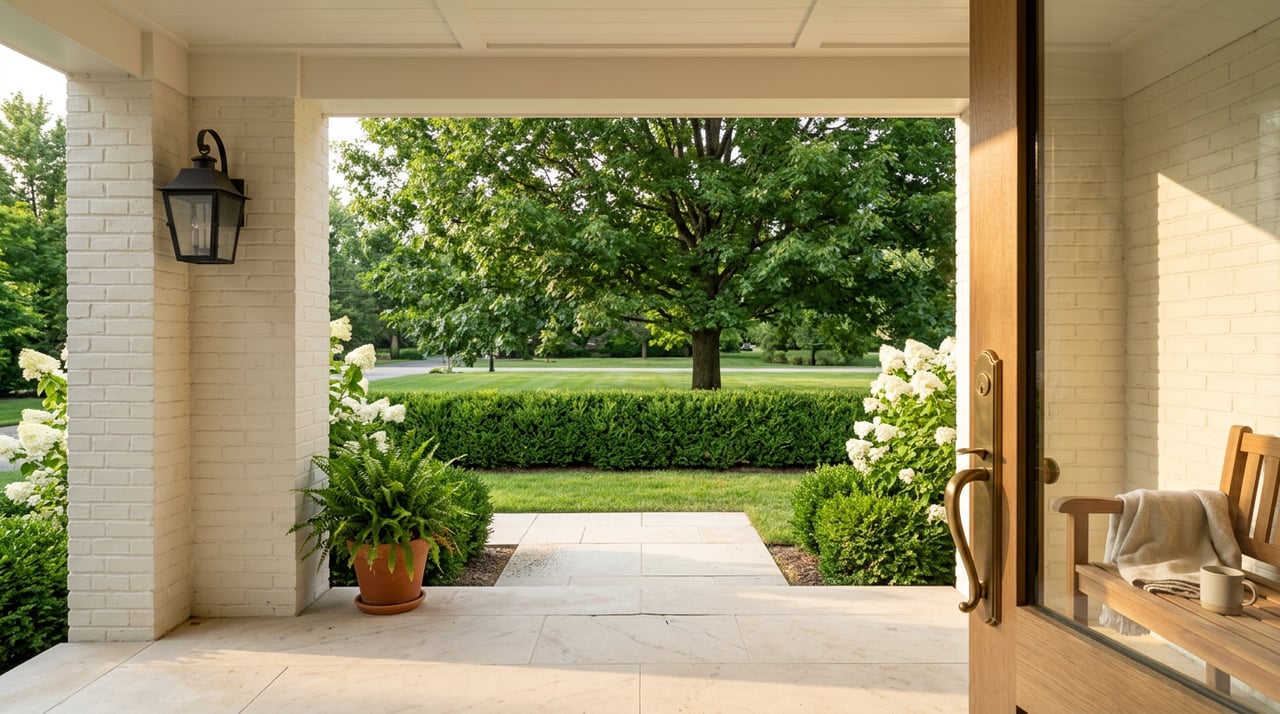
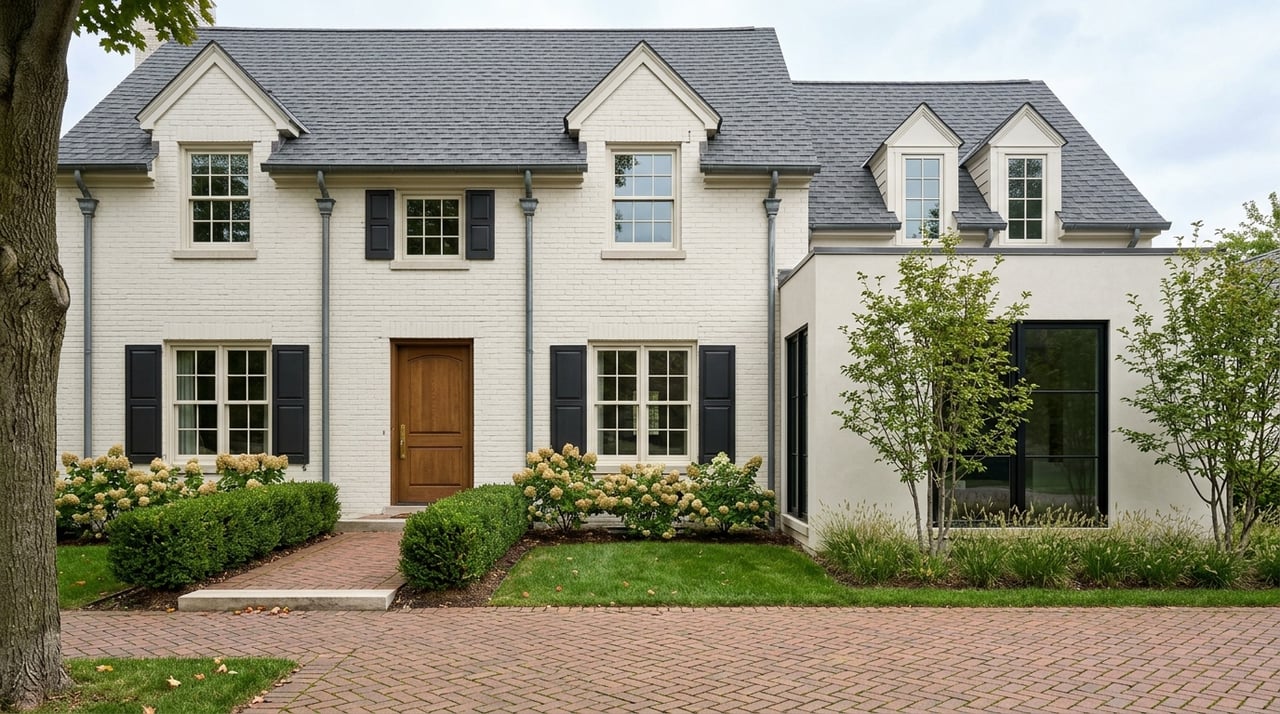
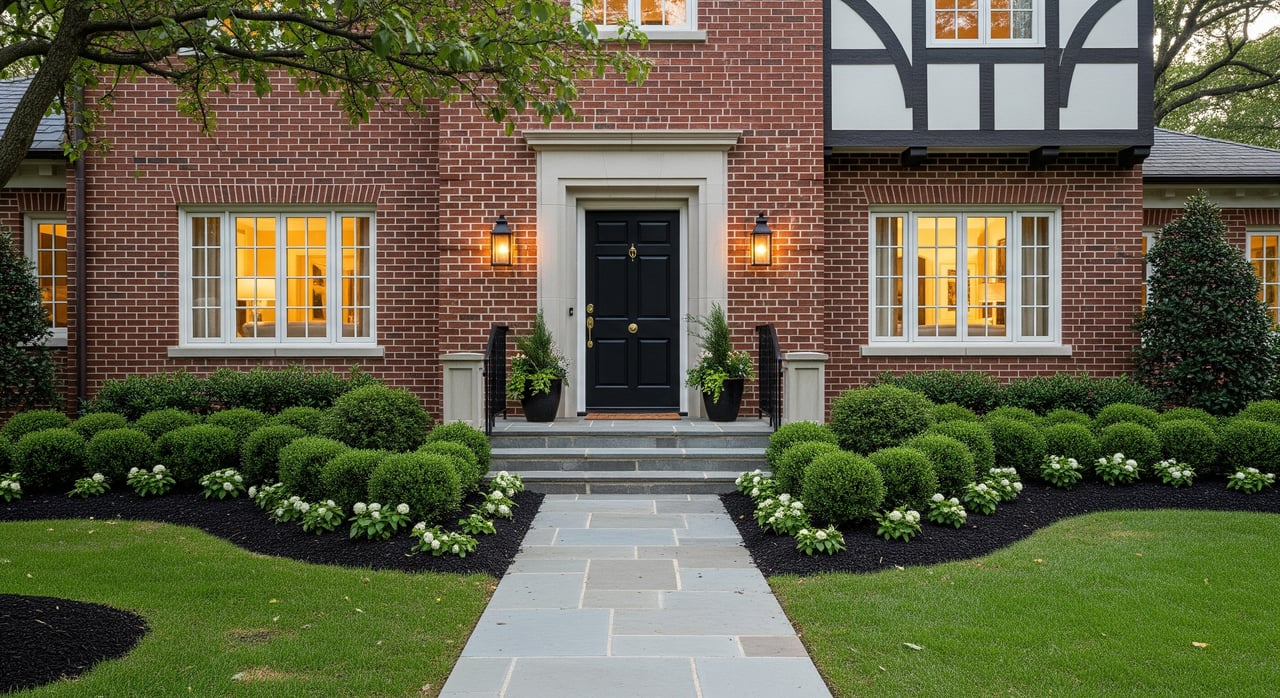
- What to do: Mow, edge, mulch, trim shrubs and low limbs, power wash siding and walks, paint or polish the front door, and update house numbers and entry lighting if needed.
- Cost: About 150 to 3,000 dollars depending on scope.
- ROI: Strong. First impressions drive clicks and showings.
Priority 2: Moderate cost, strong impact
Professional or partial staging
- What to do: Stage key rooms such as living room, kitchen, dining, and the main bedroom. Consider light rental or edits to existing pieces. Virtual staging can help for online photos.
- Cost: Around 500 to 3,000 dollars or more depending on size and scope.
- ROI: Industry studies report faster sales and, in competitive markets, modest price lifts often in the 1 to 5 percent range.
Minor kitchen refresh
- What to do: Paint cabinetry or replace doors, update pulls and knobs, modernize lighting, clean or regrout surfaces, and swap in a new faucet. Consider a new backsplash if dated.
- Cost: Roughly 2,000 to 15,000 dollars depending on materials and scope.
- ROI: Generally favorable. Minor kitchen projects often recoup a majority of costs and improve buyer confidence.
Bathroom refresh
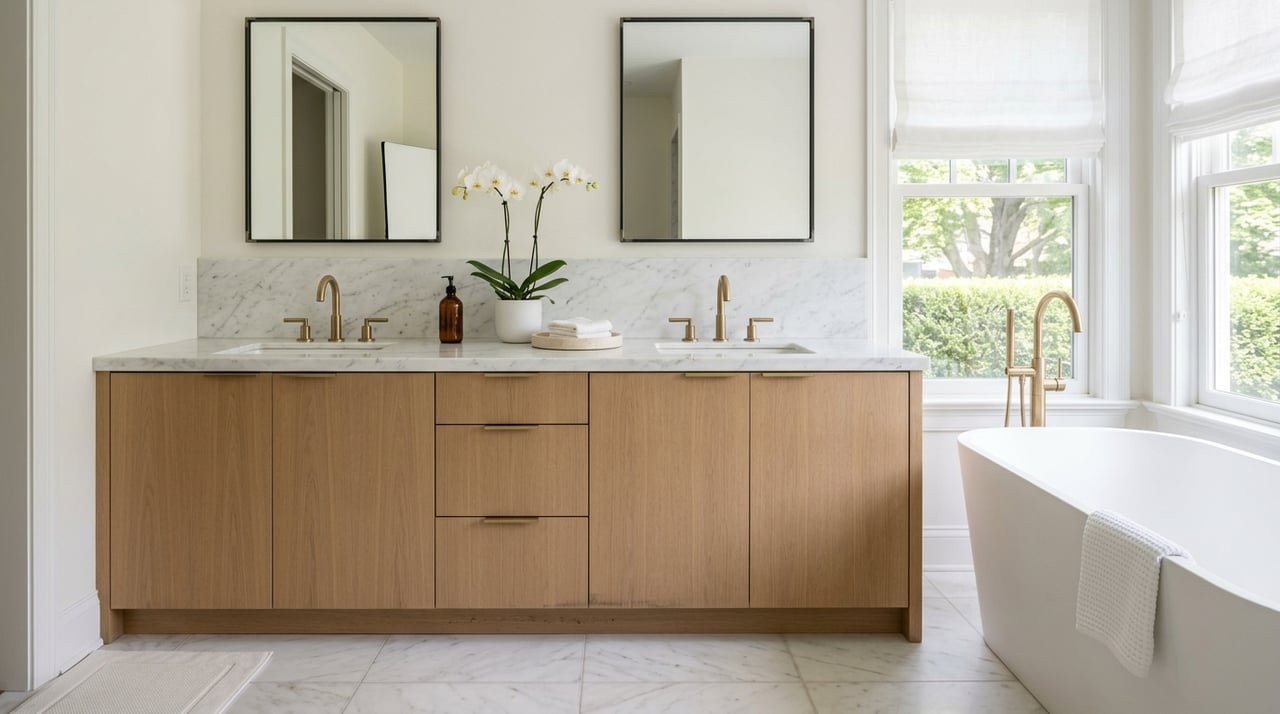
- What to do: Replace a vanity or top, re-caulk and regrout, reglaze a tub if stained, and update mirrors and lighting.
- Cost: About 1,500 to 10,000 dollars.
- ROI: Solid. Midrange updates commonly recoup a majority of costs while lifting overall presentation.
Priority 3: Higher cost, variable ROI
Flooring replacement
- What to do: Replace worn carpet or mismatched floors with durable, neutral choices such as engineered hardwood or luxury vinyl plank.
- Cost: About 3,000 to 20,000 dollars or more, based on size and materials.
- ROI: Often good when current floors are visibly dated. The payoff depends on neighborhood standards and your price tier.
Roof, windows, siding
- What to do: Address end-of-life or damaged exterior elements that buyers will flag during inspection.
- Cost: Roof commonly 6,000 to 20,000 dollars or more. Windows vary by count and style.
- ROI: Recoup can be lower, but not addressing major wear often leads to buyer credits or reduced offers.
Major kitchen remodel or adding a bath
- Cost: Bathroom addition often 20,000 to 60,000 dollars. Major kitchen remodel roughly 30,000 to 150,000 dollars based on scale.
- ROI: Variable and often lower relative to cost. Consider these when comparable homes in your bracket offer similar features and buyers expect them.
Priority 4: Systems, inspections, and disclosures
Pre-listing inspection
- What to do: Hire a licensed inspector to surface issues before buyers do.
- Cost: About 300 to 800 dollars.
- ROI: Useful for speeding up closing and avoiding last-minute renegotiations.
Safety and environmental items
- What to do: Test for radon, common in the Midwest. If your home was built before 1978, be prepared to provide lead-based paint disclosures. Address moisture or mold concerns as needed.
- Cost: Radon test about 100 to 300 dollars; mitigation often 800 to 3,000 dollars or more.
- ROI: Resolving these items increases buyer confidence and reduces contract risk.
Permits, disclosures, and local requirements
Permits in Clarendon Hills: The Village of Clarendon Hills typically requires permits for structural changes, additions, major exterior work, and certain interior projects. Always verify requirements and processing times with the building department before starting work. Unpermitted work can complicate a sale and title transfer.
Property condition disclosures in Illinois: Sellers commonly complete a property condition disclosure statement and must disclose known material defects. If you know about prior leaks, sewer backups, or flooding, be ready to disclose. Consult your attorney or review Illinois statutes for specifics.
Lead-based paint: For homes built before 1978, federal rules apply. Sellers provide required disclosures and an EPA pamphlet to buyers.
Documentation and utilities: Keep records for recent HVAC service, roof or window warranties, and appliance manuals. Ensure utilities are on for showings and inspections.
Contractors and liens: Use licensed contractors, pull permits as required, and secure lien waivers. Unresolved contractor liens can delay closing.
Smart timeline to launch
Four to eight weeks out
- Select your agent. Order a pre-listing inspection. Prioritize the prep list by cost and impact. Get quotes for repairs, paint, and staging. Confirm permit needs.
Two to four weeks out
- Complete repairs and painting. Schedule landscaping, power washing, and staging. Book professional photography and media.
One to two weeks out
- Final clean and touch-ups. Walk the property with your agent to confirm punch-list items are done. Ensure disclosures and documentation are ready.
Pricing and net proceeds modeling
Well-prepared homes can justify stronger pricing and attract more offers. Use local comps by neighborhood and price tier to set a realistic list price. Consider a slightly more aggressive price if inventory is tight and your presentation is best-in-class.
Model your net before you start work. Include improvement costs, holding costs (taxes, mortgage, insurance, utilities), staging and marketing, expected sale price uplift, and closing costs. A simple decision rule: if a 10,000 dollar project is expected to increase your net sale proceeds by more than 10,000 dollars after fees and taxes, it is likely worth doing. Use conservative assumptions and verify with comparable sales.
What to highlight for Clarendon Hills buyers
- Commuter convenience: Proximity to the Metra BNSF station can be a deciding factor for some buyers.
- Recent upgrades: Note the year and scope for big-ticket items such as roof, HVAC, windows, and kitchen or bath refreshes.
- Energy-efficient systems: Efficient windows, insulation, and newer mechanicals can reduce ongoing costs.
- Outdoor appeal: Fresh landscaping, a clean patio or deck, and a welcoming front entry set the tone.
- Neighborhood access: Share accurate proximity to parks, shops, dining, and schools without making qualitative claims.
A turnkey, ROI-first path with Johnny
If you want the returns of targeted upgrades without the project stress, a hands-on approach can help. With local expertise across the DuPage corridor and a renovation-focused process, you can prioritize the right improvements, manage vendors, and launch with polished marketing. The goal is simple: reduce friction, shorten days on market, and maximize your net proceeds.
That includes scoping and budgeting, coordinating trusted contractors, staging and photography, and using tools like Compass Concierge when appropriate. You get one accountable plan from prep to closing, driven by neighborhood comps and practical design.
Ready to build your listing prep plan for Clarendon Hills? Connect with Johnny Kloster to map your ROI and timeline.
FAQs
What are the most cost-effective listing prep steps in Clarendon Hills?
- Start with deep cleaning, decluttering, neutral paint, small repairs, and curb appeal because they are low cost with high impact on photos, showings, and buyer confidence.
Should I do a full kitchen remodel before selling my Clarendon Hills home?
- Usually no. Minor refreshes often recoup a larger share of costs than full gut remodels, unless comparables in your price tier clearly justify a major upgrade.
Do I need a permit for interior updates in Clarendon Hills?
- You should check with the Village of Clarendon Hills building department before starting; structural changes, additions, major exterior work, and some interior projects typically require permits.
Is staging worth it for suburban listings?
- Staging often reduces days on market and, in competitive conditions, can support a modest price lift; even partial staging of key rooms can help.
When is the best time to list in Clarendon Hills?
- Spring is traditionally the busiest, summer can work well with strong exterior presentation, and late fall or winter may bring fewer buyers and longer timelines.
What inspections should I consider before listing?
- A pre-listing home inspection is helpful, and in the Midwest, radon testing is common; address or disclose findings to prevent renegotiation later.