Want to capture Clarendon Hills’ spring buyers without the last‑minute scramble? You are not alone. Spring is when activity peaks and commuter families, downsizers, and move‑up buyers focus on homes near Metra, parks, and the walkable village center. This guide shows you exactly how to plan backward from your ideal listing week, choose the right upgrades, line up vendors, and launch with confidence. Let’s dive in.
Why spring works in Clarendon Hills
Spring is historically the strongest homebuying season, and local demand in Clarendon Hills tends to surge from late March through May. Buyers relocating for summer moves and commuters who value the BNSF Metra line often set their search plans early in the year. Downtown walkability, park access, and proximity to Hinsdale and Oak Brook add to the appeal. If you want to ride that momentum, aim for a public listing between late March and mid‑May and plan backward from there.
Pick your target listing week
Start with the date you want your listing to go live. For most sellers, the sweet spot is late March to mid‑May. Launching within that window improves your chances of strong open house turnout and quick feedback. Now build a 12 to 16 week plan that gets all improvements, staging, and marketing ready with time to spare.
Work backward: 12 to 16 week plan
Weeks 12 to 16: Plan and scope
Lock the foundation of your sale now so spring does not catch you off guard.
- Meet your listing agent for a comparative market analysis and to align on target buyer profiles and price range.
- Schedule a pre‑listing walkthrough to identify high‑impact, low‑disruption fixes.
- Interview and select a general contractor, stager, and real estate photographer. Get written estimates and confirm availability.
- Build a project calendar with start and finish dates, milestones, and payment schedules in every contract.
Why this early: reputable contractors and stagers book up quickly for spring work, and you want firm dates.
Weeks 10 to 12: Inspect and permit
Find and fix issues before buyers do, then finalize your renovation scope.
- Order a pre‑listing inspection. Add specialized checks as needed, such as sewer scope, roof evaluation, or HVAC service.
- Finalize a focused scope: paint, lighting, hardware, kitchen and bath refreshes, flooring touch‑ups, and curb appeal.
- Submit permit applications for any electrical, plumbing, structural, or exterior projects that require approval from the Village of Clarendon Hills. Build in review time.
Timing note: permit reviews can take weeks in busy seasons. Start now to avoid delays later.
Weeks 6 to 10: Start projects
Begin work that creates the most visible change for Clarendon Hills buyers.
- Prioritize cosmetic updates that show in photos: neutral interior paint, updated fixtures, clean grout and caulk, refreshed cabinet hardware, and tidy landscaping plans.
- Schedule deliveries for any materials with longer lead times, such as appliances or windows.
- Arrange storage or a dumpster to streamline decluttering and staging.
Plan around weather: early spring can stall exterior projects. Focus inside first, then move out once temperatures cooperate.
Weeks 3 to 6: Finish and stage
Wrap construction, clean thoroughly, and prepare for show‑ready photos.
- Complete painting and repairs, then deep clean the entire home, including windows and baseboards.
- Schedule staging. Many stagers need 2 to 3 weeks to line up rented furnishings.
- Refresh curb appeal with mulch, trimmed hedges, and seasonal plantings. Power wash the walkways and porch.
- Book professional cleaning and carpet steam cleaning after the dust settles.
Weeks 1 to 2: Photos and launch prep
Get your marketing assets and paperwork dialed in before going live.
- Order professional photography, floor plans, and optional video or virtual tour. Shoot right after staging and on a clear day.
- Assemble seller disclosures, property tax records, any HOA documents, and utility information.
- Host a quiet pre‑market broker preview if you want early feedback, then finalize your list price and launch plan.
Listing week: Maximize momentum
You only get one debut. Make it count.
- Publish your MLS listing early in the week so it drives search interest into the weekend.
- Hold a broker open and a public open house on the first weekend.
- Track showings and feedback daily. Be ready to adjust pricing or marketing if the first week’s data suggests a tweak.
Renovations that pay off
Clarendon Hills buyers shop with a busy spring calendar and often choose homes that feel move‑in ready. The fastest wins usually come from cosmetic improvements and clean, functional systems.
- Interior paint: choose light, neutral tones that brighten rooms and photograph well.
- Lighting and hardware: swap dated fixtures, cabinet pulls, and faucets for simple, modern options that unify the look.
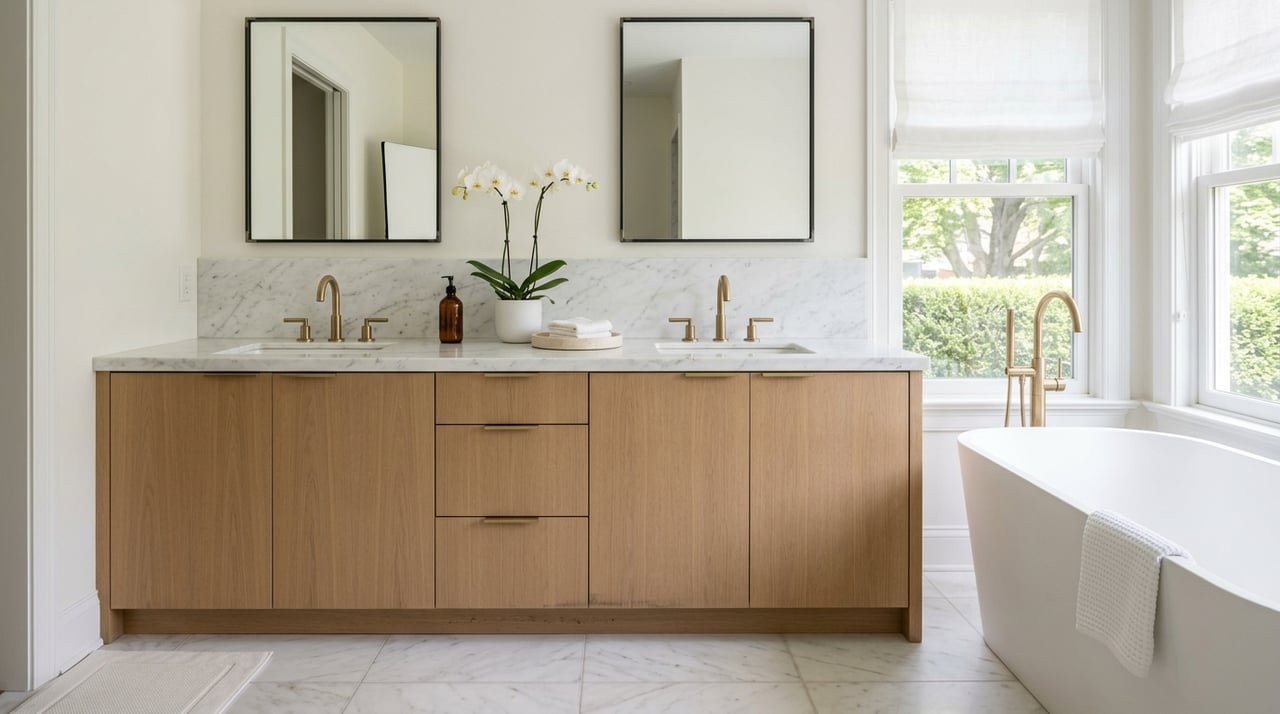
- Kitchen and bath refresh: repaint or refinish cabinets, update counters if worn, replace faucets and lighting, and re‑grout where needed.
- Flooring: repair or replace visibly worn sections. Engineered hardwood or high‑quality vinyl plank can be quick upgrades.
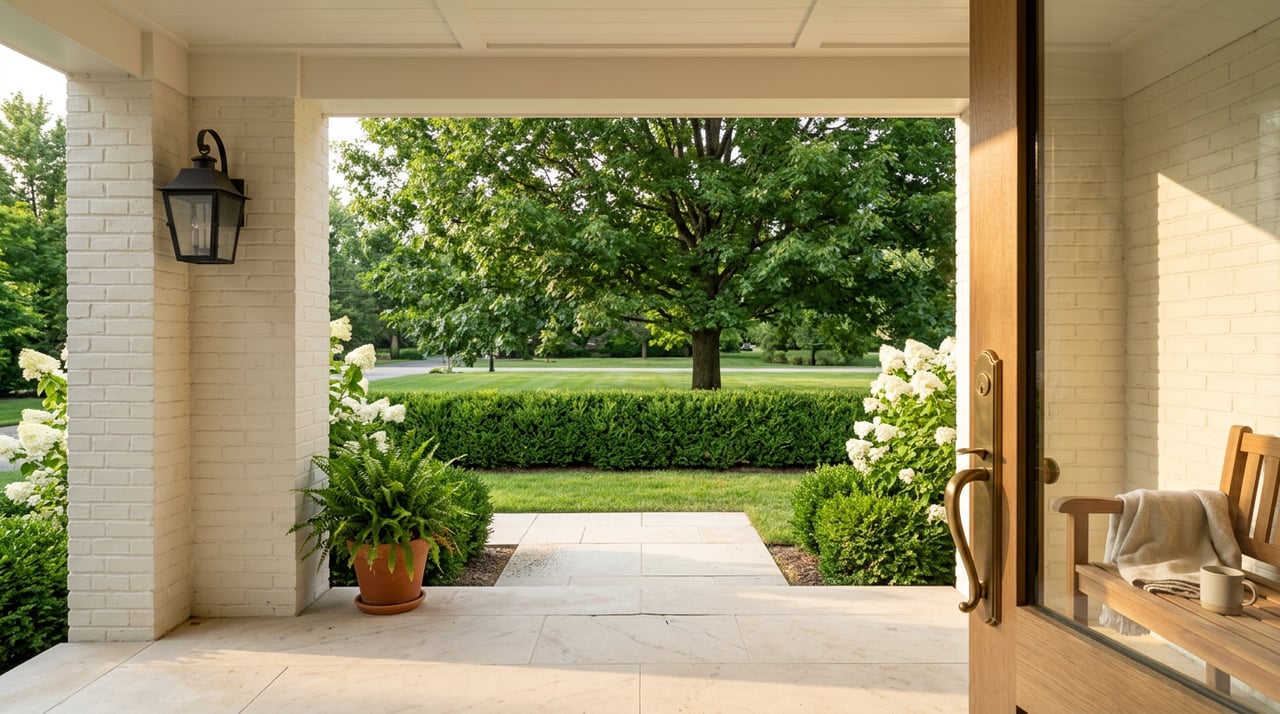
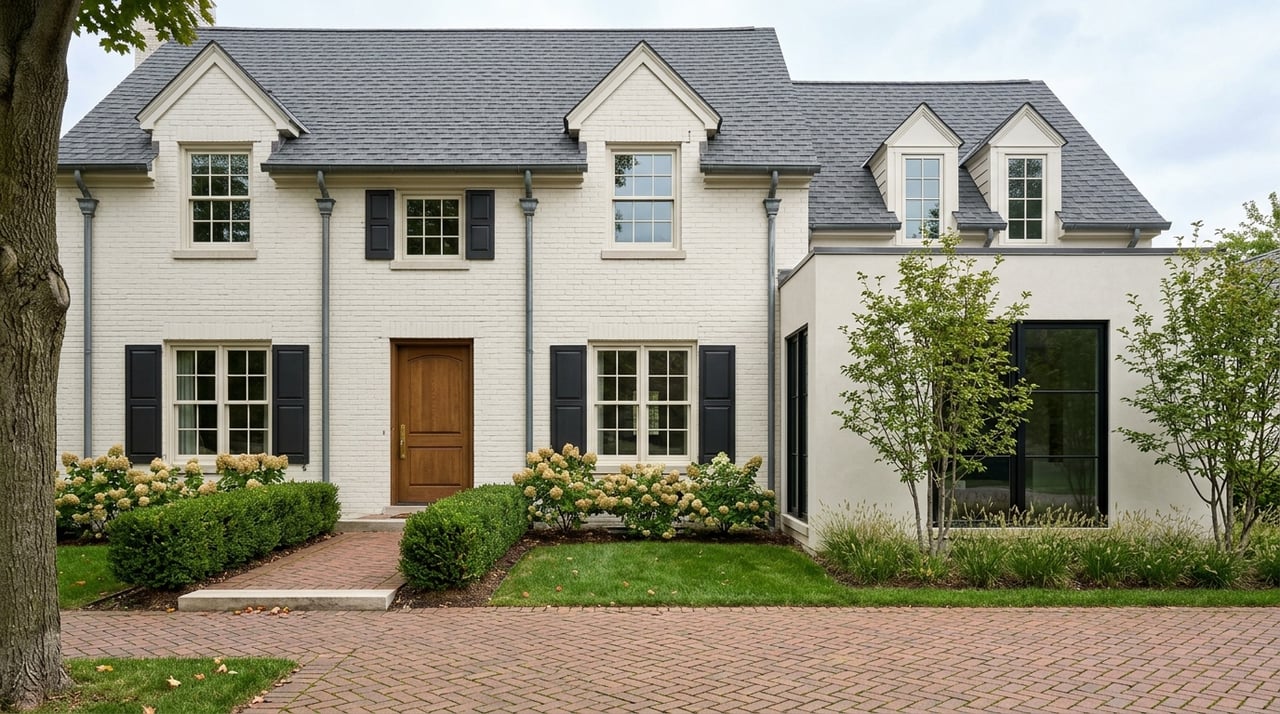
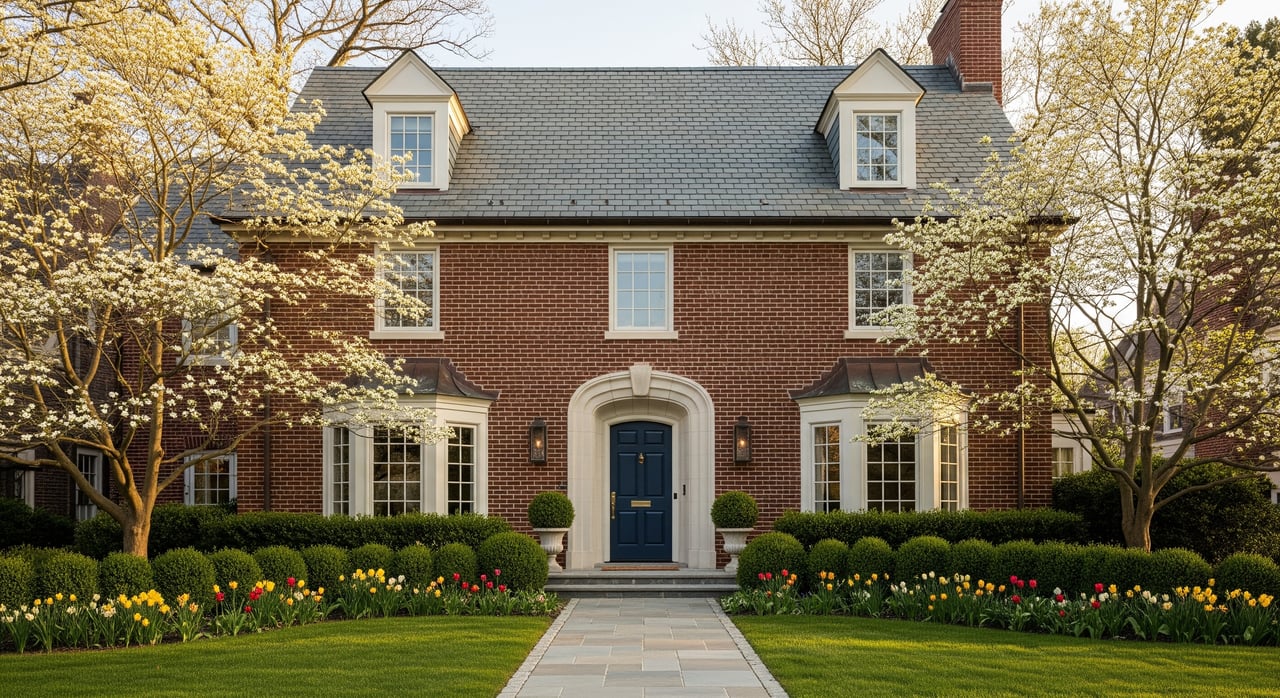
- Curb appeal: tidy beds, trim shrubs, add fresh mulch, and paint the front door. Update exterior lights if tired.
- Systems: fix any roof, gutter, electrical, plumbing, or HVAC issues flagged by your pre‑listing inspection.
Use a trusted cost vs. value benchmark to prioritize scope. Remodeling Magazine’s annual report offers helpful ranges by project type, but let your local comps guide what is worth doing.
When to consider larger projects: only if a full remodel will correct a clear mismatch with neighborhood expectations and you can finish well before listing. Big projects bring longer hold times, higher costs, and more permitting, so weigh them against comparable sales.
Permits and compliance
Not every improvement needs a permit, but many do. In Clarendon Hills, significant electrical, plumbing, structural, and exterior changes typically require permits through the Village’s Building Department. Build in time for application, plan review, corrections if needed, and issuance. Spring can extend review times.
If your home was built before 1978, follow federal Renovation, Repair and Painting rules. Use lead‑safe practices during qualifying work and provide the required lead‑based paint disclosures to buyers. Work closely with your agent and attorney to ensure you complete the Illinois Residential Real Property Disclosure and any other required documents accurately.
Vendors and scheduling
Line up your team early and keep communication tight so your schedule holds.
- Key vendors: listing agent, licensed general contractor and trades, stager, professional photographer or videographer, pre‑listing home inspector, moving or storage provider, and your attorney or title company.
- Contracts: require start and finish dates, milestone payments, and a clear process for change orders.
- Payments: avoid large upfront deposits. Tie payments to completed milestones.
- Updates: run weekly status check‑ins. A shared calendar keeps vendors coordinated.
- Credentials: verify licenses and insurance. Ask for references on similar suburban listings.
Staging and photography
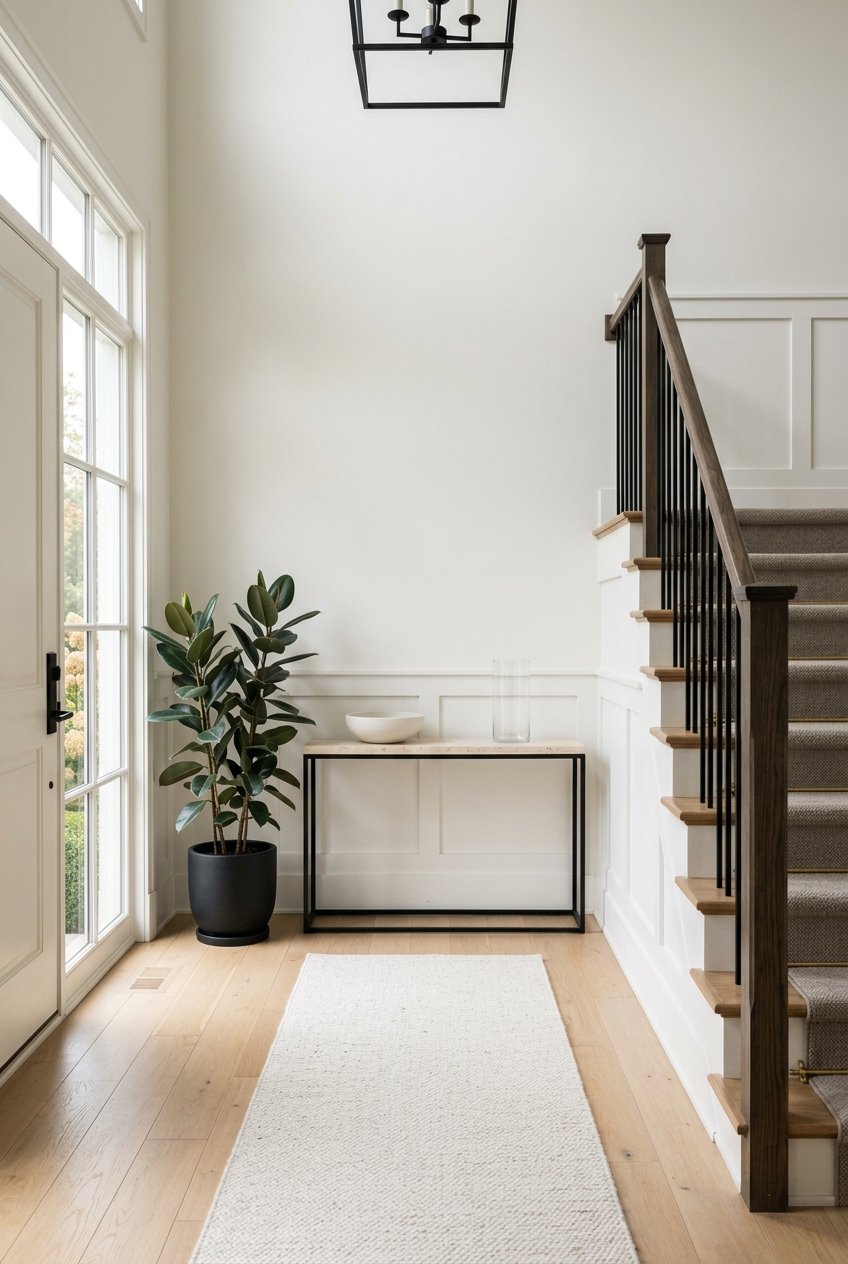
Staging helps buyers see how your home fits their life. In Clarendon Hills, that often means highlighting commuter convenience, flexible family spaces, and indoor‑outdoor flow.
- Declutter and depersonalize early. Arrange temporary storage if needed.
- Reserve furniture rentals 2 to 4 weeks out so your stager can guarantee availability.
- Book photography after staging. Choose the best light for your home’s orientation. Consider twilight or drone images where appropriate, and confirm any local or FAA rules before flying.
Pricing and launch strategy
Price to the market you see, not the market you wish for. Use the latest neighborhood comps that match bed and bath count, lot size, age, and condition. Adjacent luxury areas like Hinsdale can shape buyer expectations, but over‑improving beyond Clarendon Hills comparables rarely pays off.
During the first week live, hold a broker open and a public open house. Monitor showing counts and feedback closely. If activity lags expectations, adjust quickly rather than waiting weeks.
Quick checklist
- Start planning 12 to 16 weeks out.
- Lock contractors and stager by 12 to 16 weeks out.
- Submit permits 10 to 12 weeks out if needed.
- Begin contractor work 6 to 10 weeks out.
- Finish renovations 3 to 6 weeks out.
- Stage and deep clean 3 to 4 weeks out.
- Shoot photography 1 to 2 weeks out.
- Launch listing late March to mid‑May.
- Complete pre‑listing inspection and disclosures before you go live.
Next steps
A smooth spring sale in Clarendon Hills starts with a clear plan and the right upgrades. If you want hands‑on help scoping ROI‑positive improvements, coordinating vendors, and preparing a polished launch, you can rely on a renovation‑first approach that pairs local expertise with concierge‑level execution. With access to tools like Compass Concierge and a track record of project‑managed listings, you can focus on your move while the details are handled.
Ready to plan your spring listing timeline and prep? Reach out to Johnny Kloster to start your renovation ROI plan today.
FAQs
When should I start planning a spring sale in Clarendon Hills?
- Begin 12 to 16 weeks before your ideal listing week so you have time for inspections, permits, updates, staging, and photography.
Which pre‑listing renovations usually deliver the best ROI?
- Focus on visible cosmetic updates first, such as neutral paint, updated lighting and hardware, kitchen and bath refreshes, flooring touch‑ups, and curb appeal, guided by local comps and cost vs. value benchmarks.
Do I need permits for pre‑sale work in Clarendon Hills?
- Cosmetic updates usually do not, but electrical, plumbing, structural, or exterior projects often require permits through the Village’s Building Department, so confirm requirements early.
How do weather and contractor schedules affect timing?
- Spring demand and late‑winter weather can cause delays, so lock vendors 12 to 16 weeks out and schedule exterior work with buffer time.
What disclosures are required for Illinois home sellers?
- You must complete the Illinois Residential Real Property Disclosure, provide lead‑based paint disclosures for homes built before 1978, and gather tax, HOA, and utility information for buyers.