If you are getting ready to sell in Hinsdale, it is easy to ask the wrong renovation question. Instead of asking, "What would I love to change if I were staying?" the better question is, "What will help this home show well, compete well, and sell with less friction in the next 30 to 90 days?" In a premium market, that shift can protect your time, your budget, and your net proceeds. Let’s dive in.
Why pre-list planning matters in Hinsdale
Hinsdale is a high-value market, but that does not mean every renovation pays off. Mainstreet Organization of REALTORS® reported that through December 2025, detached single-family homes in Hinsdale had 206 sales year to date, with an average sale price of $1,638,611 and a median sale price of $1,409,250, according to this local market snapshot.
That same source also cited public snapshots showing a March 2026 median sale price of $1,727,000 and a market where inventory remained relatively limited. In that kind of environment, buyers still notice condition, presentation, and visible upkeep. A strong pre-list plan is usually about removing objections and matching buyer expectations, not creating a custom dream renovation.
Start with your resale goal
Before you spend a dollar, define the outcome. For most Hinsdale sellers, the goal is to improve marketability, reduce buyer hesitation, and support pricing against nearby comparable homes.
That matters because not all projects perform equally. According to the 2025 Cost vs. Value report for Chicago, exterior and entry-related projects showed some of the strongest cost recovery, including garage door replacement at 302.9%, steel entry door replacement at 226.2%, manufactured stone veneer at 207.8%, fiber-cement siding at 104.9%, and wood deck addition at 98.4%.
Focus on upgrades buyers notice fast
When buyers pull up to your home or scroll through photos, they form an opinion quickly. That is why visible, easy-to-understand improvements often have the strongest resale signal.
A practical pre-list plan usually starts with the basics buyers can see right away:
- Fresh paint where walls look tired or overly personalized
- Clean, updated entry features like the front door or hardware
- Flooring repairs or replacement where wear is obvious
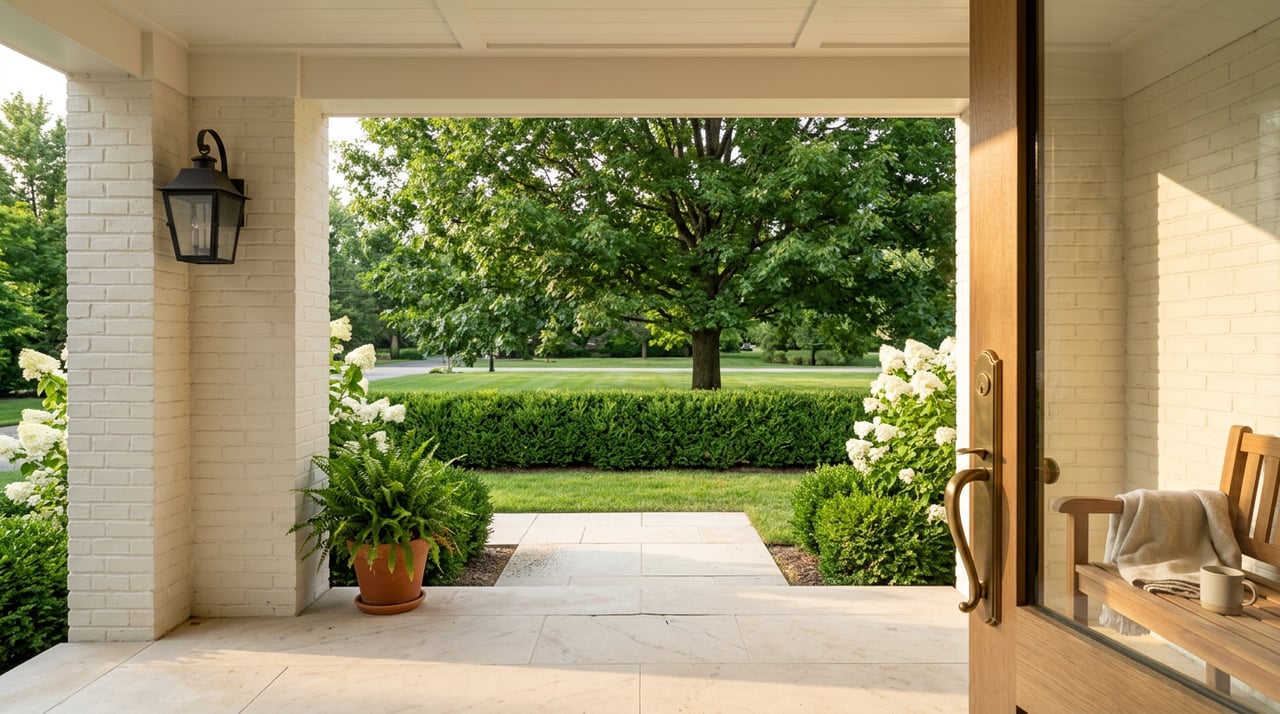
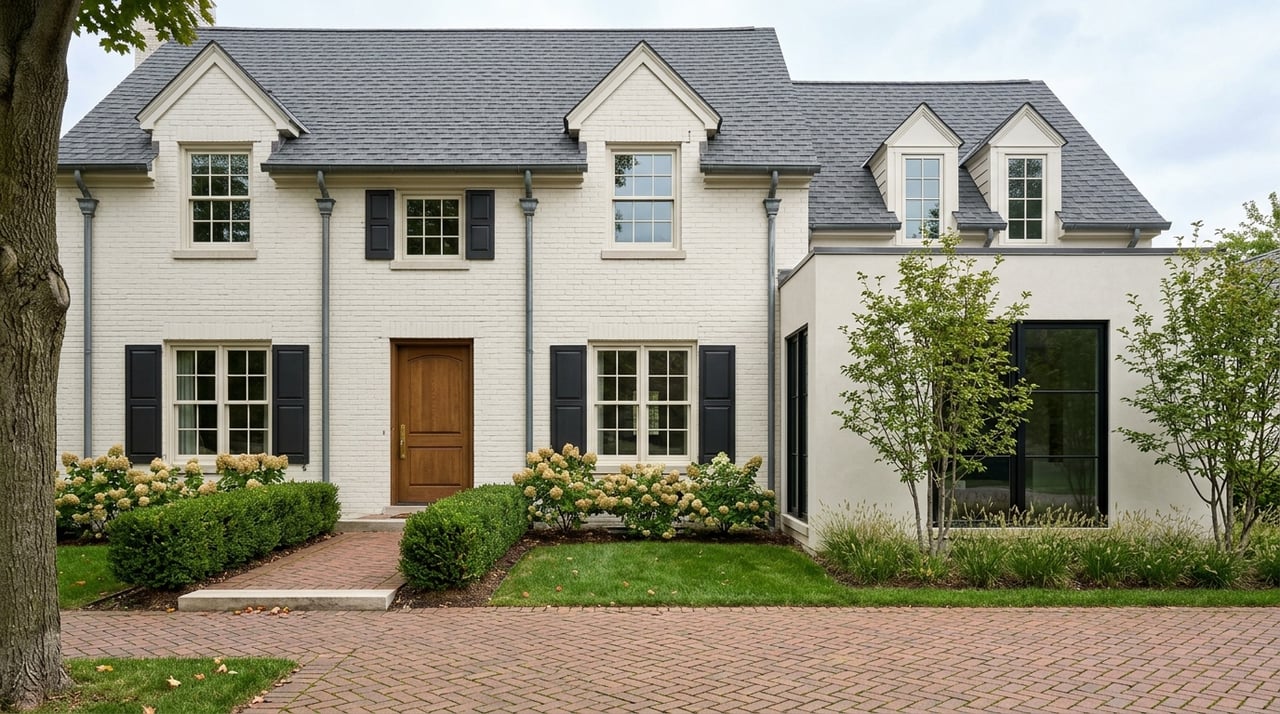
- Exterior touch-ups that improve curb appeal
- Deferred maintenance that might raise inspection concerns
According to the 2025 Remodeling Impact Report from NAR, Realtors most often recommend painting the entire home, painting one interior room, and new roofing before listing. The same report found that kitchen upgrades, new roofing, and bathroom renovations were among the projects seeing the most increased demand.
Be careful with major luxury remodels
A premium address does not automatically justify premium renovation scope. In fact, larger upscale projects can be easier to overbuild.
On the national 2025 Cost vs. Value report, a midrange minor kitchen remodel recouped 113% of cost, while a midrange bath remodel recouped 80%. By comparison, an upscale major kitchen remodel recouped 36%, an upscale primary suite addition recouped 20.6%, and an upscale bathroom addition recouped 36%.
For a Hinsdale seller, that usually supports a disciplined approach. If your competition features refreshed kitchens, updated baths, strong lighting, fresh finishes, and polished curb appeal, you may not need a full gut renovation to compete. You may just need smart updates that align with your price band.
Build your plan in the right order
The best pre-list renovation plans are not random punch lists. They follow a clear sequence so your money goes where it has the best chance to improve the sale.
Fix safety and habitability first
Anything that could create immediate buyer concern should move to the top of the list. That can include roofing issues, damaged doors, siding problems, flooring hazards, or maintenance items that suggest the home has not been cared for.
These issues matter before photos, before staging, and definitely before inspection. If a buyer sees obvious upkeep problems, they may assume hidden problems exist too.
Tackle visible marketability items next
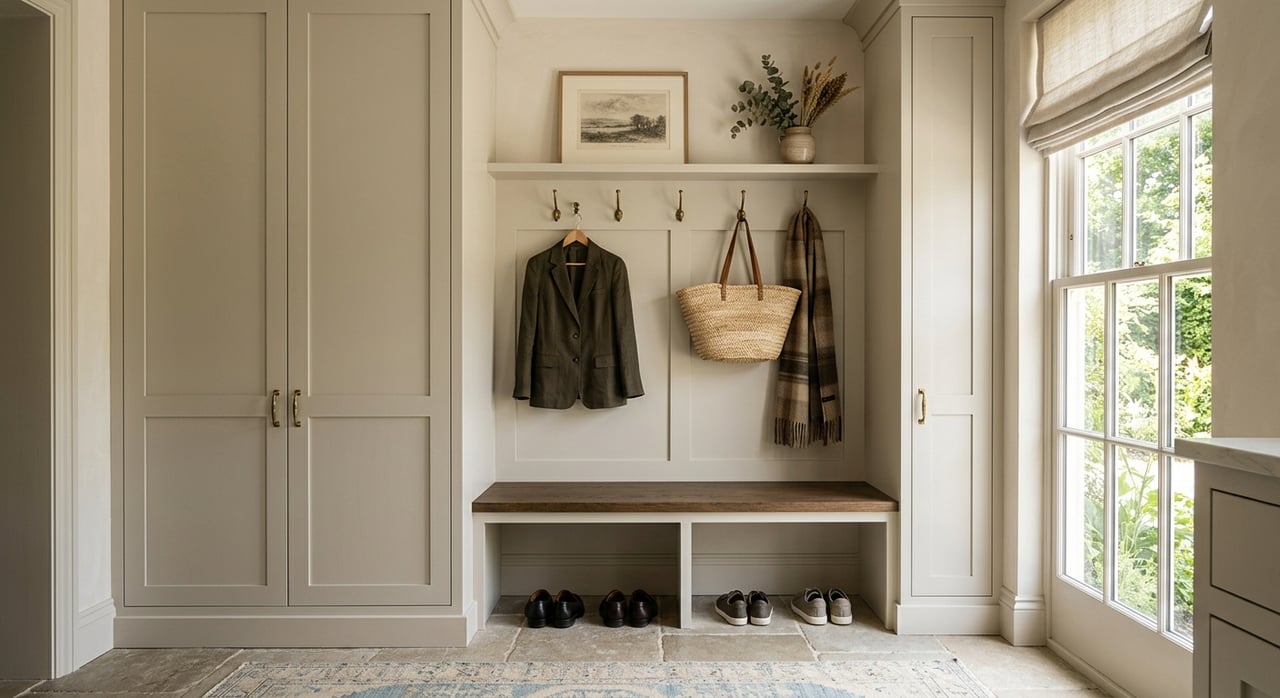
After the essential fixes, focus on the areas that shape first impressions. Paint, lighting, flooring condition, hardware, landscaping, and clean exterior presentation often do more for a listing than expensive structural changes.
This is where a seller benefits from a comp-based scope cap. As JLC’s methodology notes, project scope, finish level, and local conditions can materially affect resale outcomes, so renovation numbers should be used as planning guidance, not guarantees.
Save optional upgrades for last
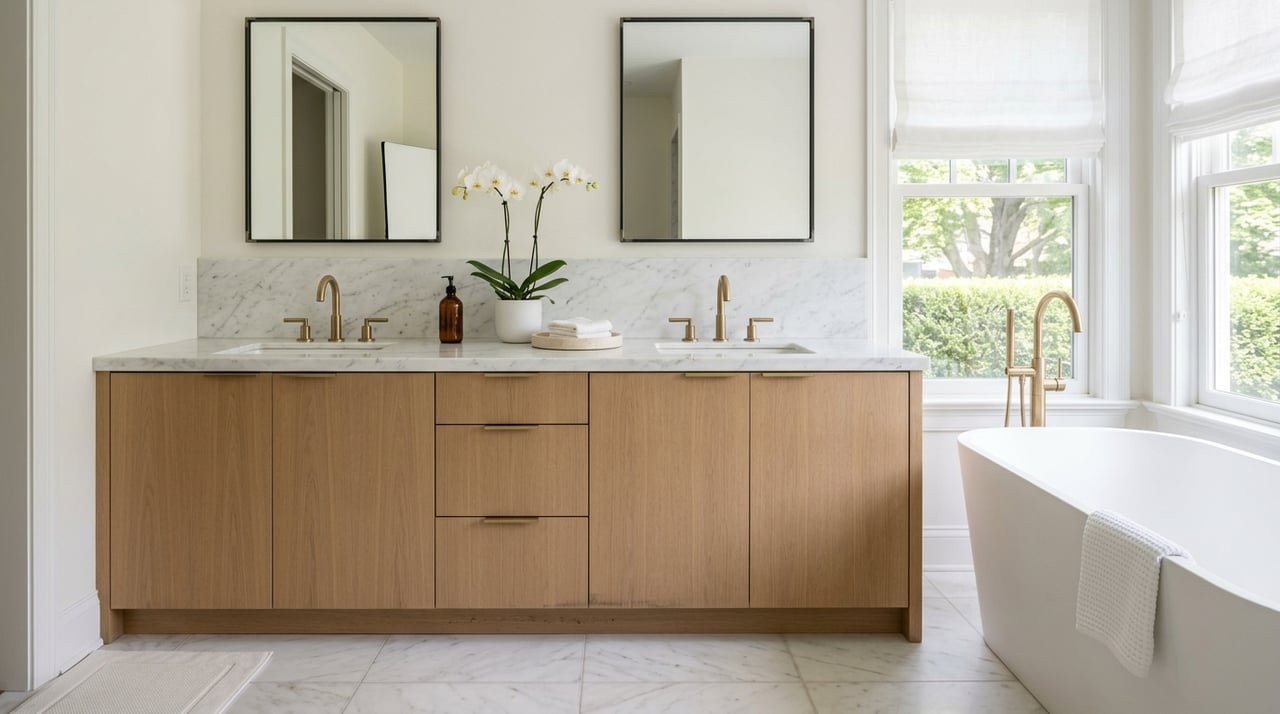
Once the must-do work is covered, you can evaluate targeted kitchen or bath updates. In many cases, small improvements such as paint, fixtures, counters, resurfacing, or hardware can do enough to modernize the space for listing purposes.
This is also where many sellers drift into personal-remodel mode. If the update is expensive, highly customized, or too slow to complete before launch, it may not belong in a pre-list plan.
Stage after the work is done
Staging works best when the house is already clean, repaired, and visually consistent. It is the final layer, not the substitute for condition.
For that reason, listing preparation should be treated as a coordinated process. Scope first, then vendors, then repairs and updates, then staging, then photography and launch.
What to fix before listing photos
If your timeline is tight, prioritize the items that will show up immediately online. Buyers often decide whether to schedule a showing based on photos alone.
Before photography, try to address:
- Peeling paint or heavily marked walls
- Worn or damaged flooring
- Outdated or damaged front entry features
- Obvious exterior maintenance issues
- Poor landscaping presentation
- Cluttered, unfinished, or visibly dated rooms that can be improved quickly
You do not need every surface to feel brand new. You do need the home to feel cared for, cohesive, and ready for the market.
How much should you spend?
There is no one-size-fits-all budget, because the right number depends on your home’s current condition and the price level of your direct competition. The more useful question is whether the work helps your home compete without exceeding what the local comp set supports.
In practice, your spending cap should be tied to three things:
- The condition gap between your home and active competition
- The likely pricing benefit from improved presentation
- The timeline required to complete the work without delaying launch
This is where renovation-focused guidance matters. A good plan helps you avoid both under-improving and over-improving. The goal is not to spend the maximum. The goal is to spend with purpose.
Which projects are usually worth skipping?
Some projects make sense for long-term enjoyment but are harder to justify before a sale. If your goal is net proceeds, these are often the first categories to question.
Large additions
Primary suite additions, major bathroom additions, and other expansion projects often involve higher cost, longer timelines, and weaker resale recovery. Unless your comparable sales clearly support that jump, these projects can be difficult to defend.
Highly personalized design choices
Bold finishes, niche layouts, or custom lifestyle upgrades may reflect your taste more than market demand. Neutral, broadly appealing updates are usually safer for resale.
Full luxury gut remodels
If the rest of the market segment does not require it, a full custom renovation can become an expensive distraction. Smaller, cleaner improvements often do enough to help buyers say yes.
Permits can change your timeline
In Hinsdale, timing matters just as much as scope. According to the Village of Hinsdale code materials, work should not begin until required permits and approvals have been granted, and exterior and site-related improvements must comply with village code and zoning requirements.
The village also states that in the Downtown Hinsdale and Robbins Park historic districts, a certificate of appropriateness is required before new construction or demolition permits can proceed. If your pre-list work involves exterior changes, demolition, additions, or property in a historic district, those approvals should be checked early.
That does not mean every project becomes complicated. It does mean you should confirm permit and approval requirements before finalizing bids, setting a move-out date, or locking in your listing schedule.
Vet contractors before work starts
Even a smart renovation plan can go sideways if the wrong contractor is involved. Tight timelines, overlapping trades, and last-minute changes create risk fast.
NAR’s remodeling guidance highlights the importance of checking references and understanding the rules before hiring. For sellers, that means confirming scope, pricing, timing, and any permit responsibility upfront so the plan stays on track.
The smartest pre-list plan is disciplined
In Hinsdale, pre-list renovation works best when it is treated as a resale strategy. The strongest play is usually to fix what is visible, clean up what feels dated, address deferred maintenance, and stay aligned with what buyers already reward in your price range.
That kind of discipline can protect your budget while improving how your home shows, photographs, and competes. If you want a practical renovation ROI plan built around your home, your timeline, and your likely buyer pool, Johnny Kloster can help you scope the right work, coordinate the process, and prepare your listing for market with less guesswork.
FAQs
What renovations help a Hinsdale home before listing?
- In many cases, the most effective pre-list updates are visible improvements like paint, entry upgrades, curb appeal work, flooring fixes, and deferred maintenance repairs that reduce buyer objections.
What projects should Hinsdale sellers avoid before selling?
- Large additions, highly personalized upgrades, and major upscale remodels are often harder to justify unless nearby comparable homes clearly support that level of investment.
How much should you spend on a pre-list renovation plan in Hinsdale?
- The right budget depends on your home’s condition, your competition, and your launch timeline, but the goal is usually to match market expectations rather than overspend on a custom remodel.
Do Hinsdale renovation projects need permits before listing?
- Some projects do, especially exterior work, demolition, additions, or work affected by village code, zoning, or historic-district requirements, so it is smart to check approvals early.
What should be fixed before real estate photos in Hinsdale?
- Before photos, prioritize obvious issues like peeling paint, worn flooring, entry wear, exterior maintenance problems, landscaping presentation, and any rooms that look cluttered, unfinished, or visibly dated.