Looking for a right-sized way to live in Clarendon Hills without taking on a major project or oversized yard? You are not alone. First-time buyers and empty nesters both love the village for its walkable downtown, Metra access, and community feel, but the mix of homes and fees can be confusing. This guide breaks down realistic starter and downsizing options, what they typically cost, and how to plan for taxes, HOA fees, and light renovations. Let’s dive in.
Clarendon Hills at a glance
Clarendon Hills is a compact DuPage County village with a charming downtown, neighborhood events, and a strong emphasis on community life. The village’s official overview highlights its small-town feel and convenient setting near major employment and recreation hubs. You can explore the area’s amenities on the village’s overview page.
Commuting is straightforward. The Metra BNSF line serves Clarendon Hills with express options to Chicago Union Station. Typical rides land in the 40 to 50 minute range depending on the train and time of day, as outlined in third-party commute estimates.
For schools, Clarendon Hills is served by Community Consolidated School District 181 for elementary and middle grades and Hinsdale Township High School District 86 for high school. Always verify boundaries and programs directly with the District 181 website for the most current information.
What counts as a starter home here
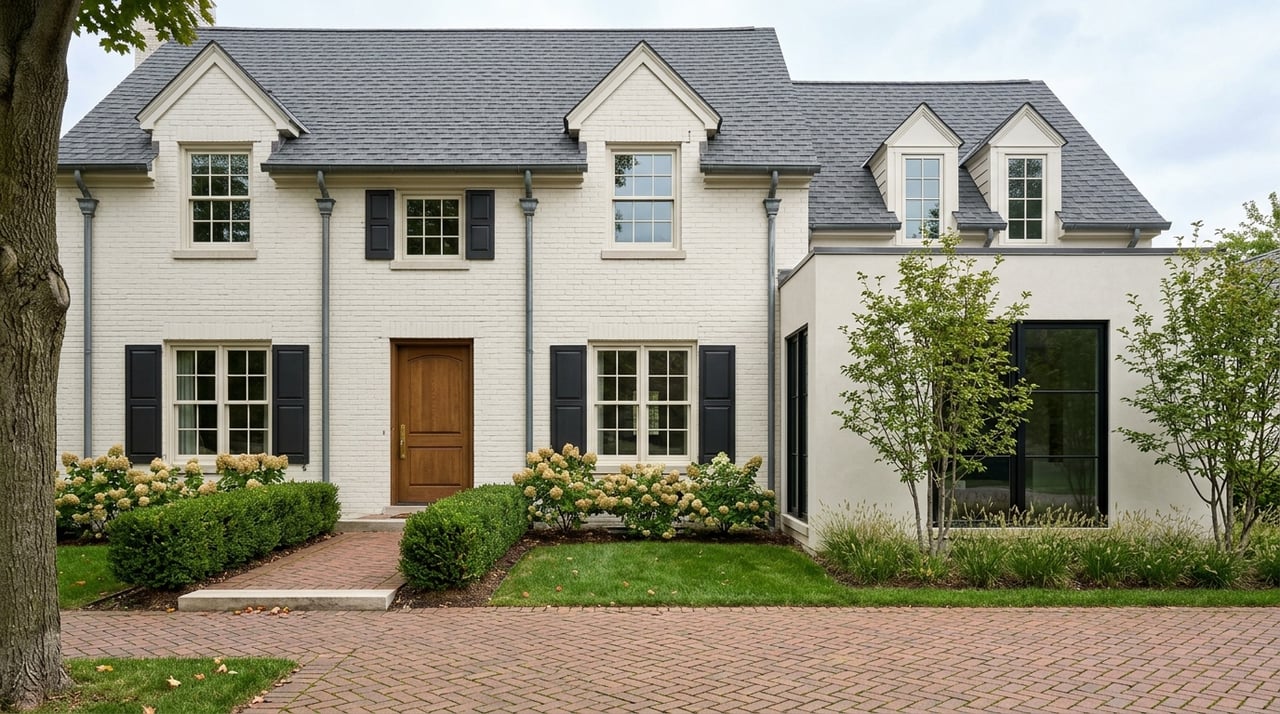
Many entry-level single-family homes in Clarendon Hills are post-war ranches, Cape Cods, and bungalows on modest lots. In-town parcels often sit under a quarter acre, though you will find larger lots toward the edges of the village. This variety helps you match yard size and upkeep to your lifestyle.
Price-wise, smaller single-family homes have recently shown examples from the low 300s to the mid or high 600s, depending on condition, size, and lot. That range includes sales around roughly 316,000, 370,000, and 435,000 on the lower end and up to about 675,000 for renovated or slightly larger ranches. Treat these as directional examples, then confirm with a current comparative market analysis for the exact block and home style you want.
Expect a typical mid-century renovation profile. Many homes are solid but will benefit from updated kitchens and baths, electrical and HVAC improvements, and occasional basement waterproofing. If you prefer low stress, target move-in-ready listings or build a renovation allowance into your offer.
You will also see a teardown and infill dynamic on select interior lots where buyers want modern layouts near downtown. That can create competition on well-located parcels. In a small market like Clarendon Hills, monthly medians can swing based on a handful of sales, so lean on 6 to 12 month data and a fresh CMA when valuing a specific property.
Townhomes and condos for low maintenance
If you want ownership without yard work, Clarendon Hills offers small townhome and condo pockets near downtown and the Metra station, as well as west-side clusters. Communities commonly referenced in local listings include Barclay Court, Burling Court, Clarendon Commons, and Ashbury Woods, along with smaller condo buildings near Park Avenue. These neighborhoods appeal to downsizers and first-time buyers who value exterior upkeep, lighter footprints, and walkability.
Pricing has historically appeared from the low to mid 200s for smaller, older units into the 300s and 400s for larger or newer floor plans near the station. Monthly HOA fees often land in the low hundreds, with examples around 200 dollars and up depending on coverage and building age. Always review HOA budgets, reserve studies, and any special assessments before you commit.
Rentals and senior-friendly living
For those who want zero maintenance or additional support, the village includes small apartment buildings and licensed assisted living options in and near Clarendon Hills. If you prefer to retain ownership but reduce upkeep, focus first on the townhome and condo pockets near downtown for short walks to dining, services, and the train.
Know your total cost
Moving beyond purchase price, plan for three major cost buckets: property taxes, HOA fees for attached housing, and ongoing maintenance or targeted renovations.
Property taxes
Property taxes are a meaningful part of ownership in Clarendon Hills. The Clarendon Hills Park District’s audit and DuPage County levy tables show a combined direct plus overlapping tax rate example of 5.7583 per 100 dollars of equalized assessed value for levy year 2024, with residential assessments typically at one third of market value. You can review the rate table in the Park District audit.
Here are two illustrations to show scale only:
- Using a market value example of about 637,800 dollars: assessed value at roughly 33.333 percent is about 212,600 dollars. Applying the sample combined rate yields an estimated annual tax near 12,242 dollars.
- Using a smaller 400,000 dollar example: assessed value near 133,333 dollars, with an estimated annual tax around 7,678 dollars.
Actual tax bills vary by the property’s specific assessed value, exemptions such as homeowner or senior, and updated levy years. Always review the seller’s tax history and confirm the current levy before finalizing your budget.
HOA fees
Townhome and condo HOAs in Clarendon Hills often cover exterior maintenance, landscaping, snow removal, and common insurance. Sample fees cluster in the low hundreds, with examples around 200 dollars per month or more depending on the community. Compare what is included, reserve funding levels, and any upcoming projects.
Renovation and maintenance
Smaller mid-century homes often benefit from energy upgrades and system updates. Common items include kitchen and bath remodels, window and insulation improvements, furnace and AC replacement based on age, and moisture management in basements. A pre-offer inspection strategy and a clear renovation scope can protect your budget and timeline.
Quick budget snapshots
These examples focus on ownership costs you can estimate without guessing interest rates. Always confirm with current data for the exact property you choose.
Townhome or condo at 400,000 dollars
- Property tax illustration: about 7,678 dollars per year, or roughly 640 dollars per month.
- HOA example: 200 to 300 dollars per month depending on coverage.
- Takeaway: expect around 840 to 940 dollars per month for taxes plus HOA, before mortgage, insurance, and utilities.
Smaller single-family at about 637,800 dollars
- Property tax illustration: about 12,242 dollars per year, or roughly 1,020 dollars per month.
- Maintenance reserve: set aside a monthly amount for systems and updates, especially if the home has older mechanicals.
- Takeaway: plan near 1,020 dollars per month for taxes, plus your maintenance reserve, before mortgage, insurance, and utilities.
How to choose your best fit
Use this simple decision path to narrow the field.
- If walkability and ease matter most, start with townhomes and condos near downtown and the Metra.
- If you want a yard and future flexibility, target smaller single-family homes and evaluate light renovations that build value.
- If zero maintenance is the priority, compare local apartment or assisted living options and decide whether ownership is still important to you.
Then work through a short checklist:
- Verify schools and program details for your specific address on the District 181 website.
- Confirm commute time windows using the BNSF schedule and commute estimates.
- Review the most recent tax bill and exemptions, then compare to the Park District audit table for the correct levy year.
- For attached homes, request HOA documents, budgets, and reserve studies. Ask directly about any planned projects or special assessments.
- For older single-family homes, price out likely updates and build a realistic timeline.
Renovation-first guidance when you need it
If a home checks the location boxes but needs updates, you can still land a low-maintenance lifestyle by scoping the right improvements. With local roots in the Hinsdale and DuPage corridor, a renovation-forward approach, and Compass marketing tools, our team pairs buyer and seller representation with hands-on project coordination. That includes defining scope and budget, sourcing and managing trades, and preparing listings with staging and photography when it is time to sell.
Whether you are buying your first Clarendon Hills home or simplifying into something smaller, thoughtful improvements can increase comfort and long-term value while reducing surprises.
Ready to explore the best fit for your goals in Clarendon Hills and map a clear plan for costs, timing, and improvements? Connect with Johnny Kloster to start a focused, renovation-smart search or listing strategy.
FAQs
What is a realistic price range for starter homes in Clarendon Hills?
- Recent examples show smaller single-family homes trading from the low 300s to the mid or high 600s, depending on size, condition, and lot, with a fresh CMA recommended due to small-market variability.
How long is the Metra commute from Clarendon Hills to Chicago?
- Typical rides on the BNSF line to Union Station run about 40 to 50 minutes based on train and time of day, according to commute estimates.
Are property taxes high in Clarendon Hills compared to other costs?
- Taxes are a significant ownership cost; using the Park District’s combined rate example for levy year 2024, a 400,000 dollar home illustrates around 7,678 dollars per year, and a 637,800 dollar home around 12,242 dollars per year, before exemptions.
Where are the most walkable low-maintenance options in Clarendon Hills?
- Townhome and condo pockets near downtown and the Metra station offer the best combination of walkability and exterior maintenance coverage, with HOAs often in the low hundreds per month.
What should downsizers review in an HOA before buying?
- Request budgets, reserve studies, and meeting minutes, confirm coverage details and any planned projects, and compare fees to the community’s age and upcoming maintenance cycle.
How do school districts factor into Clarendon Hills home decisions?
- Clarendon Hills is served by District 181 and Hinsdale Township High School District 86; verify boundaries and programs for a specific address on the District 181 website to align your search with your needs.