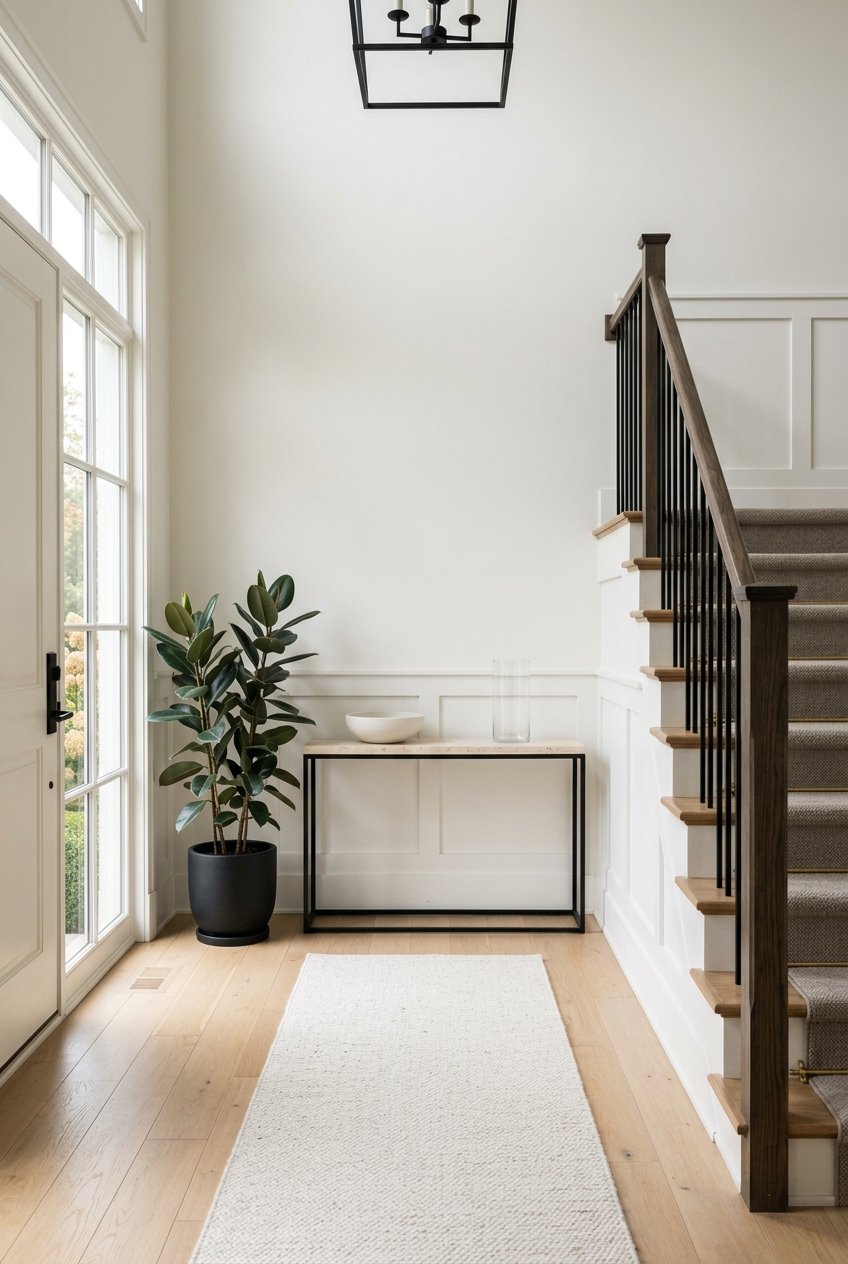
If your Clarendon Hills home is about to hit the market, the details buyers notice first are often not the biggest ones. In a competitive market where homes recently sold at a median price of $898,462, moved in a median 29 days, and often closed above list price, presentation can shape how quickly buyers connect with your home online and in person. The good news is that you do not need a flashy overhaul to stand out. You need thoughtful design choices that feel polished, current, and easy for buyers to picture as their own. Let’s dive in.
Why design details matter in Clarendon Hills
Clarendon Hills is a small, mostly owner-occupied village in DuPage County, with 84.2% owner occupancy and a housing market that Redfin recently described as very competitive. In a market like that, buyers tend to compare homes quickly, especially from listing photos on their phones.
That makes the small details more important than many sellers expect. When your finishes, lighting, furniture scale, and outdoor presentation feel cohesive, your home is easier to remember and easier to imagine living in.
Village planning and design-review language also points to an attractive, orderly, small-scale character. While that is not a buyer survey, it does suggest that homes in Clarendon Hills may capture attention best when they feel refined and neighborhood-appropriate rather than overly dramatic or highly personalized.
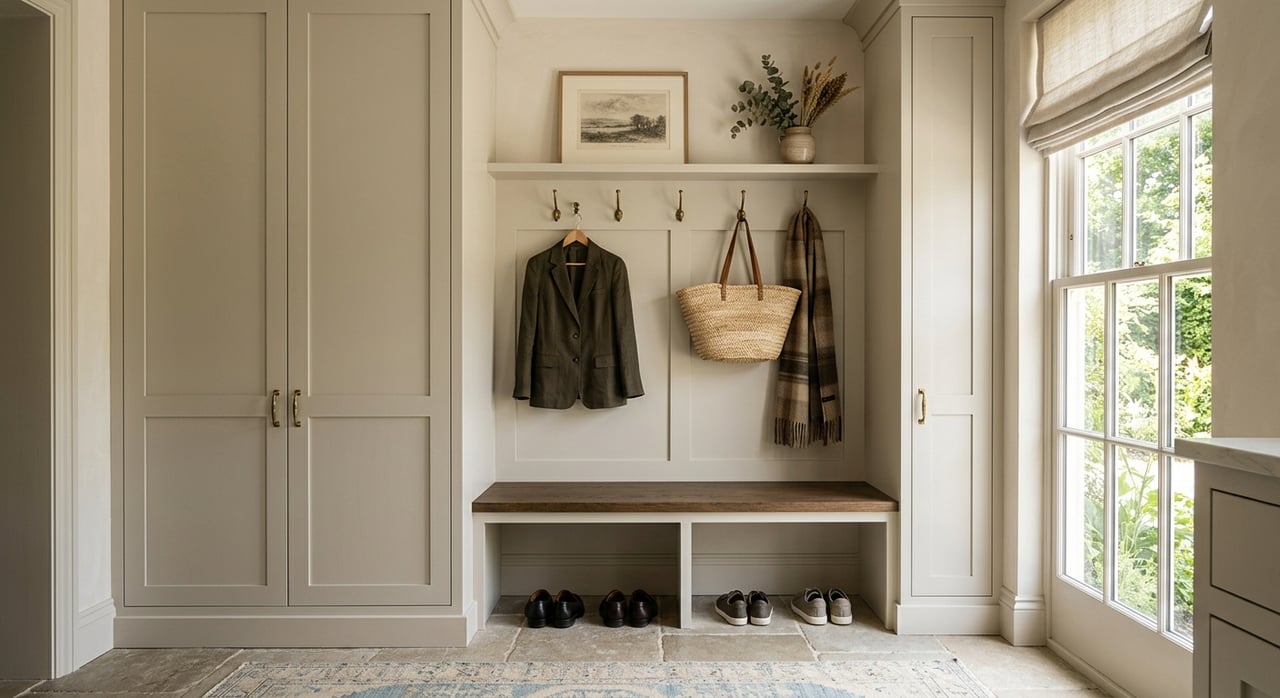
Start with a warm neutral base
One of the clearest resale-friendly design moves right now is a shift away from cool gray and toward warmer neutrals. Current design guidance points to off-white, cream, beige, tan, taupe, and earthy tones as safer choices for sellers.
These colors do two jobs at once. They help rooms reflect light and feel larger, and they make it easier for buyers to picture their own furniture and style in the space.
If you are preparing a Clarendon Hills listing, think of your wall color as the quiet backdrop, not the main event. Strong colors like bright yellow, lime green, or red can distract buyers and pull attention away from the home itself.
Where to add color instead
You do not need a home that feels flat or bland. The better approach is controlled color through accents that are easy to edit.
A few smart places to use color include:
- Artwork
- Throw pillows
- A single accent chair
- Bedding layers
- Natural greenery
This keeps the home warm and inviting without locking buyers into someone else’s taste.
Use materials that feel elevated, not busy
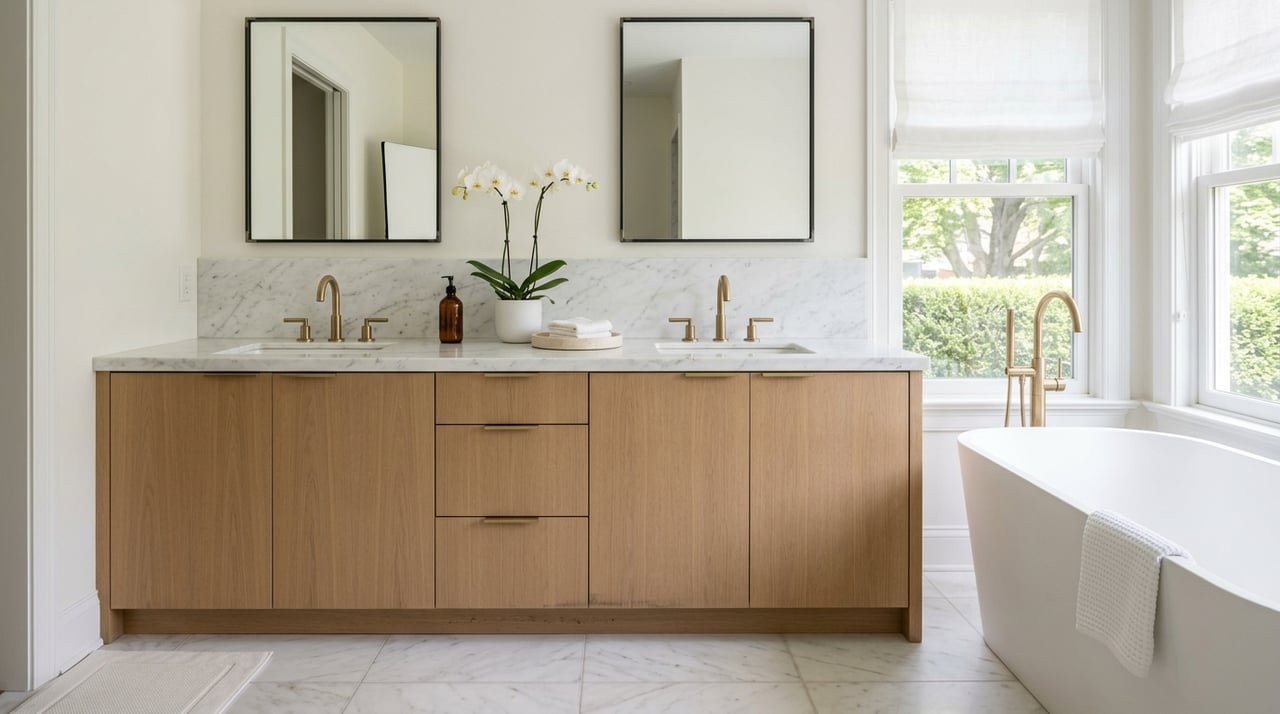
Today’s design trends favor warmth, texture, and natural materials. Reports from Houzz point to medium and warm wood tones, natural stone, millwork, plaster-like finishes, and handcrafted texture as strong current directions.
For resale, the key is restraint. In most rooms, one or two premium moments will do more work than layering too many competing finishes.
Focus on one standout feature per room
Instead of trying to make every surface a statement, choose a clear focal point. That could be:
- A stone or quartz island
- A refined backsplash
- Warm wood shelving or paneling
- A fireplace surround
- Tailored millwork
When the rest of the room stays calm, those details read better in photos and feel more expensive in person.
Finishes that tend to photograph well
If you want a listing to feel current without looking trendy, these material directions align well with today’s buyer expectations:
- Medium wood tones over icy gray wood looks
- Natural stone over overly glossy surfaces
- Linen and textured fabrics over slick synthetics
- Warm metals and matte finishes over harsh shine
- Layered texture over bold contrast
This kind of finish palette fits the restrained, editorial style that often works well for premium suburban homes.
Stage the rooms buyers care about most
Staging still matters because it helps buyers understand how a home lives. According to NAR’s 2025 home staging report, 83% of buyers’ agents said staging made it easier for buyers to visualize the property as a future home.
The same report highlights the rooms that deserve your attention first. For most sellers, that means the living room, primary bedroom, and kitchen should lead the plan.
Living room
Your living room should show function, comfort, and scale. A properly sized sofa, a simple rug, and a few well-placed chairs can define the space without crowding it.
Avoid pushing in too much furniture just to fill the room. Buyers need to see easy circulation and clear sightlines.
Primary bedroom
The primary bedroom should feel calm and spacious. A bed, correctly scaled nightstands, and simple lamps usually do more than extra benches, chairs, or decorative clutter.
Soft bedding and limited accessories help the room feel restful. The goal is not to impress with volume. It is to show comfort and proportion.
Kitchen
In the kitchen, less is usually more. Clear counters, a visible focal point, and a few intentional accessories can make the room feel larger and more finished.
If your kitchen has a strong feature like a backsplash, island, or range wall, let it lead. Do not compete with it by filling every counter edge.
Pay close attention to furniture scale
One of the easiest ways to weaken a listing is using furniture that is too big, too small, or too numerous for the room. Empty rooms can feel smaller because buyers lack a visual reference, but oversized furniture can make the home feel cramped just as fast.
In Clarendon Hills, a strong listing presentation often comes from fewer, better pieces. Think clean placement, walking room around furniture, and accessories gathered around a focal point instead of spread across every surface.
Simple scale guidelines
As you prepare each room, ask yourself:
- Can someone walk through the room easily?
- Does each piece have a clear purpose?
- Are windows, trim, or fireplaces being blocked?
- Does the room feel open in photos?
- Are there too many small accessories competing for attention?
Current trend reporting also points toward softer silhouettes. Rounded forms, oblong mirrors, and less boxy furniture can help rooms feel more current and more natural in photos.
Make lighting softer and warmer
Lighting can quietly change the entire mood of a listing. Current design coverage favors soft ambient light, dimmers, concealed or integrated lighting, and fixtures with warmer, more sculptural character.
For resale, that usually means avoiding anything too harsh, blue-toned, or clinical. Buyers respond better to rooms that feel bright, warm, and balanced.
Listing photo lighting tips
Because photos are one of the most important listing assets, every lighting choice should support how the home looks on screen. A few smart adjustments can make a big difference:
- Open window coverings to maximize natural light
- Remove heavy drapes when possible
- Use sheer or minimal treatments if needed
- Replace mismatched bulbs
- Keep color temperature consistent room to room
- Avoid blue-tinted bulbs
The goal is a home that feels polished and bright, not washed out or cold.
Keep the look clean and photo-ready
Online presentation carries a lot of weight. NAR found that photos rank above physical staging, video, and virtual tours as a listing asset, and buyers are more likely to visit homes that appeal to them online first.
That means your design plan should be built for both in-person showings and the camera roll. Clear counters, defined focal points, and reduced visual clutter usually outperform overly decorated rooms.
What buyers notice in photos
The strongest listing photos usually share a few traits:
- Clear sightlines
- Balanced furniture placement
- Uncluttered surfaces
- Clean edges and corners
- Warm, even lighting
- A small number of memorable finishes
If a room looks easy to understand in one photo, it is already working harder for your sale.
Do not overlook outdoor spaces
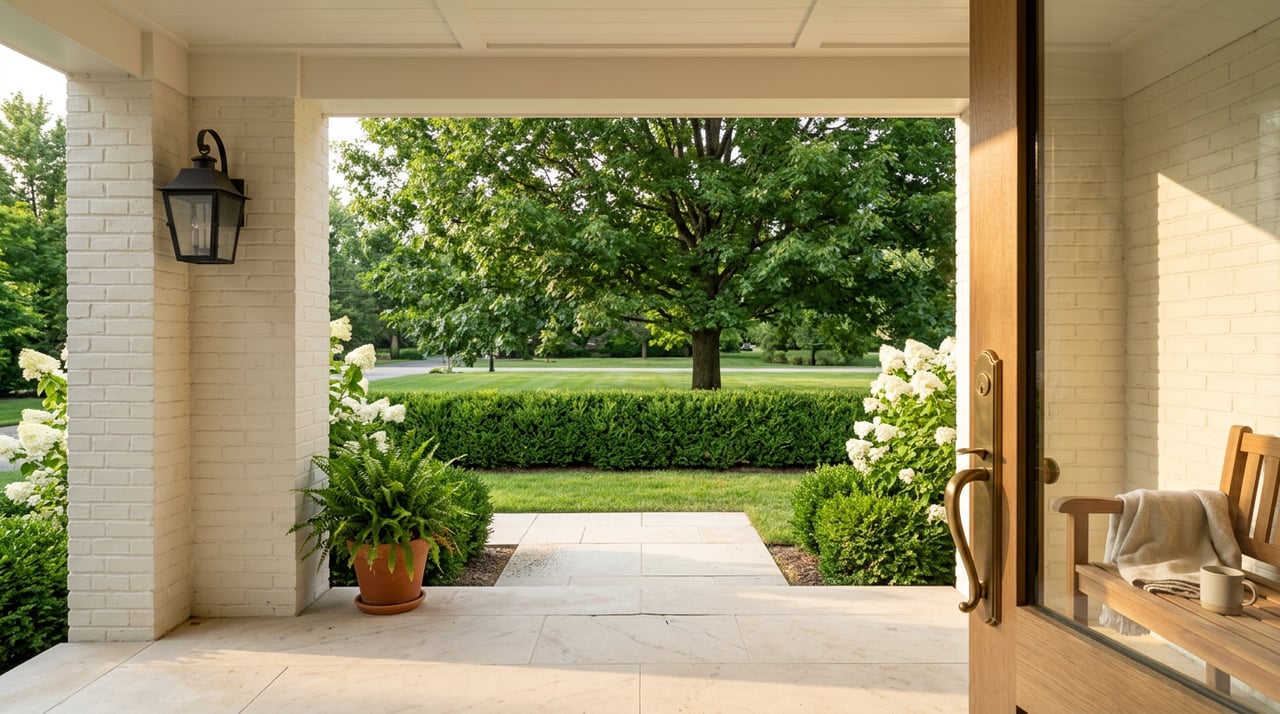
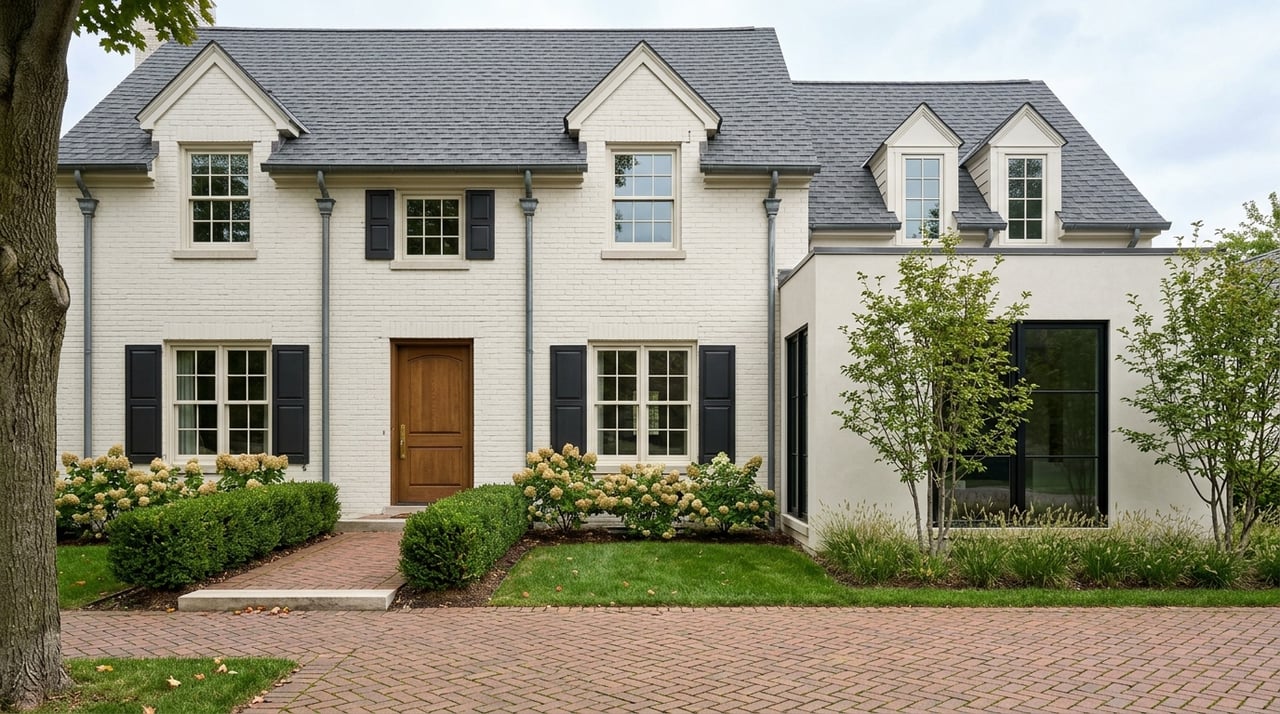
In suburban markets, outdoor presentation is part of the listing story. Porches, patios, decks, yards, and front entries all shape first impressions before buyers even step inside.
Realtor.com notes that dead plants, clutter, peeling paint, and dirty hardscape can hurt curb appeal and listing photos. The opposite is also true. A tidy, usable outdoor setup helps buyers picture daily life there.
Easy outdoor updates before listing
You do not need a full landscape redesign to improve presentation. Start with practical fixes like:
- Fresh mulch and clean edging
- Trimmed shrubs and mowed lawn
- Swept patios and walkways
- A small outdoor table or pair of lounge chairs
- Healthy potted plants
- Touch-up paint where needed
For many Clarendon Hills homes, this kind of simple exterior editing supports the polished, cared-for look buyers expect.
Aim for restrained, not generic
The sweet spot for a Clarendon Hills listing is often a look that feels elevated but not overdone. Buyers want to notice quality, light, scale, and thoughtful details. They do not need every room to announce itself.
That is especially true in a village where the built environment values compatibility and attractive design. A calm, well-edited home tends to feel more timeless, more move-in ready, and easier for a wide range of buyers to connect with.
A practical design checklist before you list
If you want a simple way to prioritize, start here:
- Paint or refresh key spaces in warm neutrals
- Declutter and depersonalize throughout the home
- Stage the living room, primary bedroom, and kitchen first
- Edit furniture for better scale and circulation
- Highlight one premium feature per room
- Warm up lighting and replace mismatched bulbs
- Open window coverings and maximize daylight
- Clean and simplify outdoor areas
- Prepare the home for strong photography, not just showings
Small changes can add up quickly when they make your home easier to understand, easier to remember, and easier to love.
If you are preparing to sell in Clarendon Hills, the best results often come from a plan that blends design judgment with practical ROI. That is where renovation strategy, staging decisions, and market positioning need to work together from the start.
Johnny Kloster brings a hands-on, renovation-focused approach to listing preparation across the DuPage Corridor, helping sellers scope the right improvements, coordinate the work, and present the home with a polished market-ready finish. If you want a smart plan tailored to your property, Johnny Kloster can help you build it.
FAQs
What design style helps a Clarendon Hills listing attract buyers?
- A restrained, polished look with warm neutrals, natural materials, and a few elevated focal points often helps buyers connect with a Clarendon Hills home.
Which rooms should you stage first before listing a home in Clarendon Hills?
- The living room, primary bedroom, and kitchen should usually come first because staging guidance shows those rooms matter most to buyer visualization.
What paint colors are best for selling a house in Clarendon Hills?
- Warm neutrals like off-white, cream, beige, tan, and taupe are generally the safest choice because they reflect light well and help buyers picture themselves in the home.
How important are listing photos when selling a home in Clarendon Hills?
- Listing photos are extremely important because buyers often decide online first which homes they want to tour in person.
What outdoor details help a Clarendon Hills home make a better first impression?
- Clean landscaping, trimmed shrubs, healthy plants, tidy hardscape, and simple porch or patio furniture can improve curb appeal and help outdoor spaces feel usable.