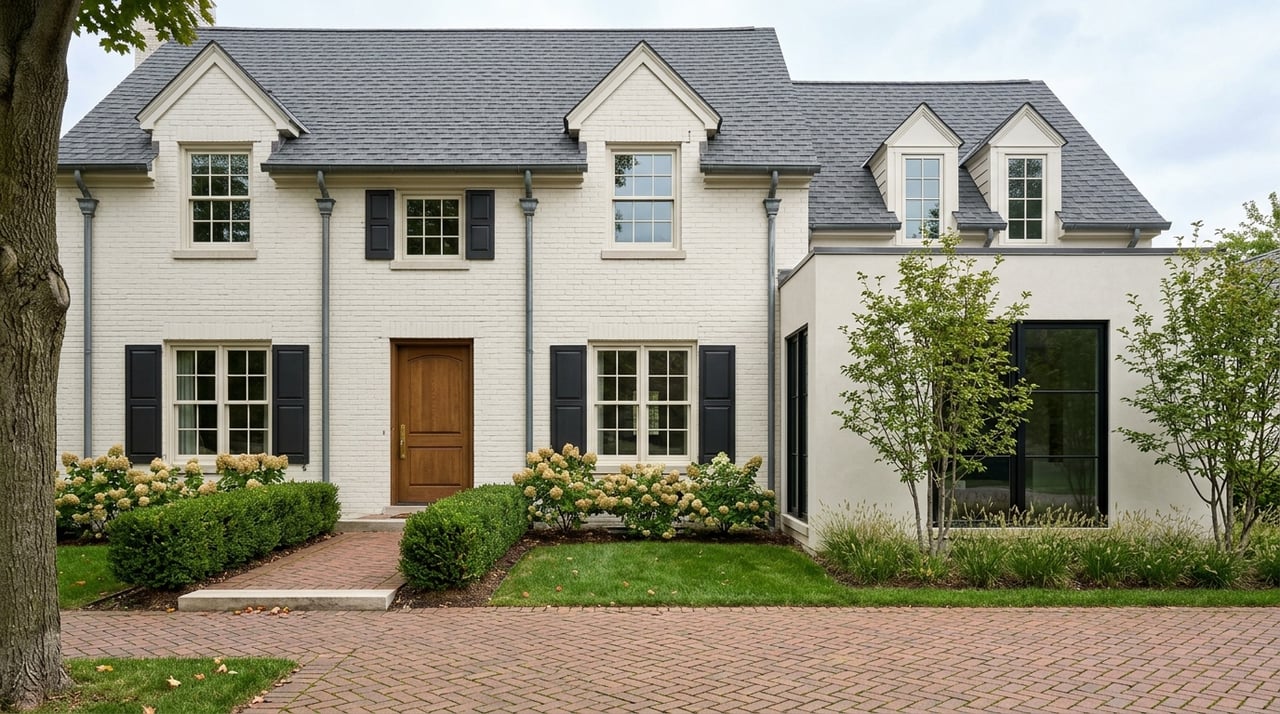
Wondering why one Western Springs home feels like a time capsule while another feels brand new, even when they are only a few blocks apart? That is normal here. Western Springs has a long development history, and that means buyers often compare Victorian and Georgian homes, expanded older houses, 1950s subdivisions, townhomes, and new construction all in the same search. If you want to buy with confidence, it helps to know how style, age, condition, and location work together in this market. Let’s dive in.
Why Western Springs Has So Many Styles
Western Springs is mostly a detached single-family market. DePaul’s Housing Studies portal shows single-family homes make up 91.7% of housing units, which helps explain why house style plays such a big role in your search.
The village’s neighborhood history also shapes what you see from one block to the next. The Western Springs Historical Society documents growth from Old Town through Timber Trails, which means homes from very different eras sit side by side across the village.
How Neighborhoods Often Signal Home Style
In Western Springs, the neighborhood map is often a style map too. Older areas like Old Town and Fairview Estates reflect the village’s earliest development, while Field Park and Ridge Acres came in an earlier growth wave after Marshall Field bought land in 1885.
Forest Hills has its own identity, with wide and deep front lawns and large backyards. The Historical Society has also highlighted a Forest Hills home inspired by Frank Lloyd Wright, which shows how architectural influence can vary even within one neighborhood.
Later development tells a different story. Ridgewood and Springdale were built on farmland in the 1950s, Commonwealth was planned as an empty-nester townhome development, and Timber Trails is the newest and likely last neighborhood addition.
That mix matters because it affects more than curb appeal. It shapes layout, lot size, yard setup, renovation history, and the amount of work you may take on after closing.
Classic Older Homes: Charm With Trade-Offs
Western Springs buyers are often drawn to classic older homes for their character and history. In this market, that usually means Victorian, Georgian, and early-20th-century houses.
The Ekdahl House Museum, built in 1887, is one example of the village’s older housing stock. The Historical Society’s House Walk has also featured Georgian and Victorian homes, often focusing on pre-1900 houses, which helps illustrate the kind of traditional architecture buyers can still find here.
Inside, these homes may offer a more formal layout than many buyers expect today. You may see defined front rooms, smaller individual spaces, and less of the open main level that is common in newer homes.
That does not make them less functional, but it does mean you should match the layout to how you actually live. If you want wide-open sightlines and a large combined kitchen and family room, an older home may need changes to deliver that.
Older homes can also require more planning on the systems side. The U.S. Department of Energy notes that many older homes have less insulation than homes built today, and recommends air sealing and insulation as cost-effective ways to improve comfort and reduce heating and cooling costs.
For you as a buyer, that means charm should not be the end of the analysis. Ask what has been updated, what still feels original, and whether you should budget for insulation, air sealing, or other deferred maintenance.
Renovated And Expanded Homes: A Popular Middle Ground
For many buyers, the sweet spot in Western Springs is the renovated or expanded older home. These properties often keep the location, lot, and exterior character buyers want while solving some of the daily pain points that come with an original layout.
This approach fits the local culture. The Western Springs Historical Society’s Preservation Awards recognize thoughtful restoration and period-appropriate additions, which tells you that updates are often valued most when they feel consistent with the original home.
In practice, renovated homes can look very different from one another. The research includes a renovated Old Town split-level listed at $799,000 with a new kitchen, updated bathroom, new staircase, and mechanical and exterior-envelope upgrades, along with a larger updated Western Avenue home listed at $1,599,000 with a new kitchen, new roof, and recent boiler work.
Those examples show the main buyer lesson: not all updates carry the same value. A cosmetic refresh may photograph well, but true long-term value usually comes from a more complete package of improvements.
What To Check In A Renovated Home
When you tour an expanded or renovated home, try to separate surface-level updates from deeper work. A smart review should include:
- Whether the addition feels integrated with the original house
- Whether the layout flows naturally from old space to new space
- Which systems were updated, and when
- Whether the roof, windows, HVAC, and insulation were addressed
- Whether the work feels period-appropriate for the home’s style
This is where a renovation-focused perspective matters. In a market like Western Springs, the best remodeled homes are not just pretty. They solve layout, comfort, and maintenance issues in a way that supports long-term value.
New Construction: Convenience And Modern Efficiency
New construction in Western Springs includes more than one type of product. Buyers can find both detached homes and townhomes, so “new construction” is not a single look or price point.
Realtor.com currently shows 14 new-construction homes in the village with a median listing price of $949,950. The visible inventory ranges from a $949,900 townhome to a $3,499,000 house, which shows how broad this category can be.
That range matters when you set expectations. A new townhome and a custom new single-family home may both count as new construction, but they offer very different footprints, finishes, and ownership experiences.
From a livability standpoint, new construction often gives buyers the easiest path. You are more likely to get a modern layout, current systems, and fewer immediate repairs.
ENERGY STAR states that certified new homes are built to be at least 10% more efficient than homes built to minimum code, with independent verification for insulation, windows, air sealing, and HVAC. For buyers who want convenience and lower short-term maintenance, that can be a meaningful advantage.
What Pricing Tells You In Western Springs
Western Springs is a competitive market, so pricing tends to reflect more than size alone. Redfin reports a May 2026 median sale price of $1,080,403, a sale-to-list ratio of 103.8%, and 53.5% of homes selling above list price.
Mainstreet Organization of REALTORS data show a 2025 detached single-family median sale price of $913,000 and an average sale price of $1,015,045. Together, those numbers suggest buyers should pay close attention to neighborhood, lot, condition, and finish level, not just bedroom count or square footage.
Why Age Alone Does Not Set The Price
In Old Town, Redfin shows vintage listings from $369,900 for a teardown-type opportunity to $760,000 for a redesigned home and $990,000 for a custom ranch, with a median listing price of $703,000 on that page. That is a wide spread within one vintage segment.
The takeaway is simple: age is only one piece of the value equation. In Western Springs, the block, lot, renovation quality, and whether a home is mostly original or mostly rebuilt can matter much more.
The same is true for new construction. While Realtor.com reports a median listing price of $949,950 for new construction in Western Springs, visible homes run from roughly $1.3 million to $3.5 million beyond the entry townhome example. That tells you the category includes both more accessible attached options and luxury custom builds.
Questions To Ask Before You Buy
Because style and condition vary so much in Western Springs, your questions should be practical. A good home search here is less about picking one “best” style and more about understanding what you are really getting.
Start with a few core questions:
- Is the house mostly original or mostly rebuilt?
- Which major systems were updated, and when?
- Does the addition feel natural for the home’s era and style?
- How much work is realistically left after closing?
- Does the neighborhood era match your priorities for character, yard size, and convenience?
These questions can help you avoid a common mistake in mixed-era markets: paying renovated-home pricing for a house that still needs major work. They also help you compare homes more fairly across very different neighborhoods and styles.
How To Match The Right Style To Your Goals
If you love character and do not mind planning future updates, an older home may give you the most architectural appeal. If you want charm with fewer headaches, a well-executed renovation or addition may offer the best balance.
If your priority is convenience, layout, and lower short-term maintenance, new construction may be the strongest fit. None of these options is automatically better than the others. The right choice depends on your budget, timeline, design preferences, and appetite for projects after closing.
In Western Springs, that decision deserves a careful eye. Small differences in renovation quality, system updates, and neighborhood location can change the value story quickly.
If you want help evaluating whether a home is truly turnkey, thoughtfully updated, or a value-add opportunity, working with a renovation-minded advisor can make the process much clearer. To talk through your options in Western Springs, connect with Johnny Kloster.
FAQs
What home styles are common in Western Springs?
- Western Springs includes Victorian, Georgian, early-20th-century homes, 1950s subdivision homes, townhomes, and new construction, with detached single-family homes making up 91.7% of housing units.
What should buyers know about older homes in Western Springs?
- Older homes often offer strong character and more traditional room layouts, but they may also need updates to insulation, air sealing, or other systems depending on past maintenance and renovation work.
Are renovated homes in Western Springs a good option?
- Renovated homes can be a strong middle-ground choice because they may keep original character while improving layout and major systems, but buyers should confirm whether updates are cosmetic or include deeper work like roof, HVAC, windows, and envelope improvements.
How much does new construction cost in Western Springs?
- Current research shows new-construction homes in Western Springs with a median listing price of $949,950, with visible inventory ranging from a $949,900 townhome to a $3,499,000 house.
Why do Western Springs home prices vary so much?
- Prices vary because neighborhood, lot, condition, renovation quality, and finish level often matter more than age or square footage alone in this competitive market.
How can buyers compare different Western Springs home styles?
- Buyers should compare homes by asking whether the property is mostly original or rebuilt, which systems were updated, how much work remains, and whether the neighborhood era matches their priorities for character, yard size, and convenience.